A Call to Action Echoes Through Malawi: Sheikh Anusa Arabi's Revolutionary Eid Khutba


The golden crescents atop Machinjiri's Area 7 mosque in Blantyre caught the morning light as worshippers gathered for Eid prayers on March 31, 2025. But the usual festive mood was nowhere to be found. The traditional Takbir sounded softer than in years past, as if the voices couldn't summon their former strength. Some men walked with heads lowered, their worn shoes careful to avoid the muddy patches left by the rainy season. Some women straightened faded hijabs - most wearing the same Eid clothes they'd carefully preserved for past years. Only the children seemed untouched by the heaviness in the air, racing between prayer mats in their everyday clothes that had been washed and pressed for the occasion, their laughter a bright contrast to the adults' quiet concern.
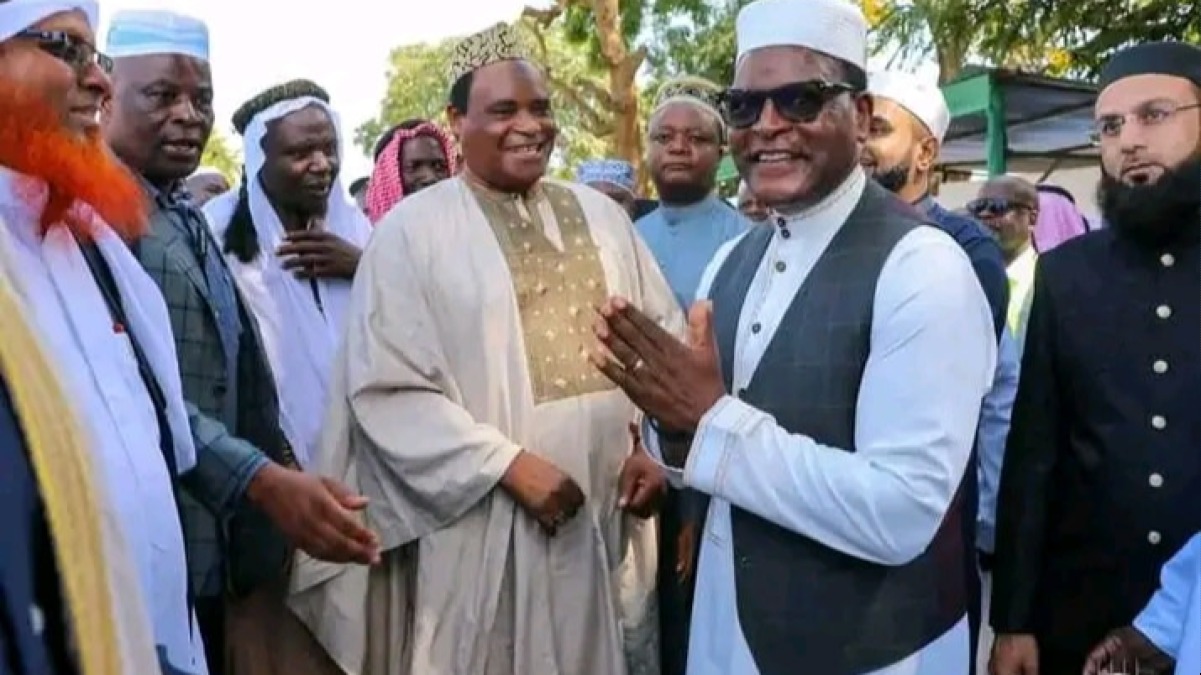
It was against this backdrop of visible struggle that Sheikh Anusa Arabia delivered what many are calling the most consequential Eid khutba in recent memory - a powerful call that shook the community from spiritual complacency to active engagement.
𝗧𝗵𝗲 𝗖𝗿𝘂𝗺𝗯𝗹𝗶𝗻𝗴 𝗣𝗶𝗹𝗹𝗮𝗿 𝗮𝗻𝗱 𝘁𝗵𝗲 𝗖𝗿𝘂𝗺𝗯𝗹𝗶𝗻𝗴 𝗘𝘅𝗰𝘂𝘀𝗲𝘀
Pointing to a visibly leaning mosque pillar, the Sheikh demolished what he called the "InshaAllah mentality" with surgical precision. "When I warned about this danger, what did I hear? 'God willing, it won't fall!'" His voice thundered across the prayer grounds. "Allah gave us eyes to see danger, hands to repair, and minds to solve - not mouths to make empty religious platitudes!"
The real-life example struck deep. Just as the neglected pillar threatened the mosque's structural integrity, so too did passive attitudes threaten the Muslim community's future. The Sheikh clarified, "Trust in Allah is essential, but Allah expects us to act. True tawakkul means using every resource He gave us first." His solution was radical in its simplicity: "Tie your camel first, then say InshaAllah."
𝗙𝗿𝗼𝗺 𝗣𝗿𝗮𝘆𝗲𝗿 𝗠𝗮𝘁𝘀 𝘁𝗼 𝗣𝗼𝗹𝗶𝘁𝗶𝗰𝗮𝗹 𝗦𝗲𝗮𝘁𝘀
In a departure that left some elders shifting uncomfortably, the Sheikh issued an urgent political manifesto:
"We build magnificent mosques while our children learn under trees. We perfect our ablutions while our hospitals lack medicines. When will we understand that real Taqwa means transforming society, not just performing rituals?"
He pointed to practical example: "When some government schools are restraining our children from wearing hijab, who represents our interests?" His challenge was unequivocal: "Either join politics now or stop complaining forever. The ballot box doesn't care about your theological degrees - only your voter card."
𝗛𝗲 𝗔𝗹𝘀𝗼 𝗛𝗮𝗱 𝗮 𝗦𝗽𝗲𝗰𝗶𝗮𝗹 𝗔𝗱𝘃𝗶𝗰𝗲 𝗳𝗼𝗿 𝘁𝗵𝗲 𝗟𝗲𝗮𝗱𝗲𝗿𝘀
The Sheikh's most surprising revelation came from his own Ramadan failure. When his system of pre-announced teenage prayer leaders resulted in mass disappearances after Isha, salvation came from an unlikely source - his own student suggested on-the-spot selections.
"That child taught me more about leadership than all my Islamic studies," the Sheikh admitted. "Wisdom walks on two legs in our communities, not just in scholars' conferences." The lesson? True leadership listens - especially to unexpected voices.
𝗘𝗶𝗱 𝗶𝗻 𝘁𝗵𝗲 𝗦𝗵𝗮𝗱𝗼𝘄 𝗼𝗳 𝗦𝗰𝗮𝗿𝗰𝗶𝘁𝘆
The economic reality became painfully visible during the Eid sadaqah collection. Where once a large box overflowed with 2000 kwacha notes, now a modest cup held mostly 50 kwacha notes.
Outside the mosque, pragmatic adjustments unfolded:
"You forgot Sobo squash," a husband was overheard saying. "The money is not enough, they will use tea — we have sugar," his wife responded, their Eid feast reduced to basic staples. Nearby, children divided single packets of biscuits - once an afterthought, now a treasured treat.
𝗔 𝗡𝗲𝘄 𝗗𝗮𝘄𝗻 𝗳𝗼𝗿 𝗠𝗮𝗹𝗮𝘄𝗶'𝘀 𝗠𝘂𝘀𝗹𝗶𝗺𝘀?
As the sun moved higher in the sky and families dispersed to their modest Eid celebrations, something had shifted in Machinjiri. The same golden crescents that had witnessed countless Eid celebrations now overlooked a community potentially at a turning point.
Sheikh Anusa Arabia's khutba may well be remembered as the moment when Malawi's Muslims began redefining their role in national development. His message—integrating spiritual devotion with civic responsibility—offered not just a theological perspective but a practical roadmap for community renewal.
For a congregation that arrived with economic burdens visible in their worn shoes and faded clothes, the Sheikh provided something more valuable than material comfort: a vision of Muslim agency in shaping Malawi's future. In a year when even Sobo squash became an unaffordable luxury, he reminded them of resources no economic crisis could diminish—their voices, their votes, and their capacity to drive change.
Whether this sermon marks the beginning of a true transformation remains to be seen.

Marshall Dyton
Analysis of political developments affecting Muslims in Malawi
View profile & all articles →Comments
Be the first to comment.