The Last Broadcast: Malawi Signs Off With Brian Banda
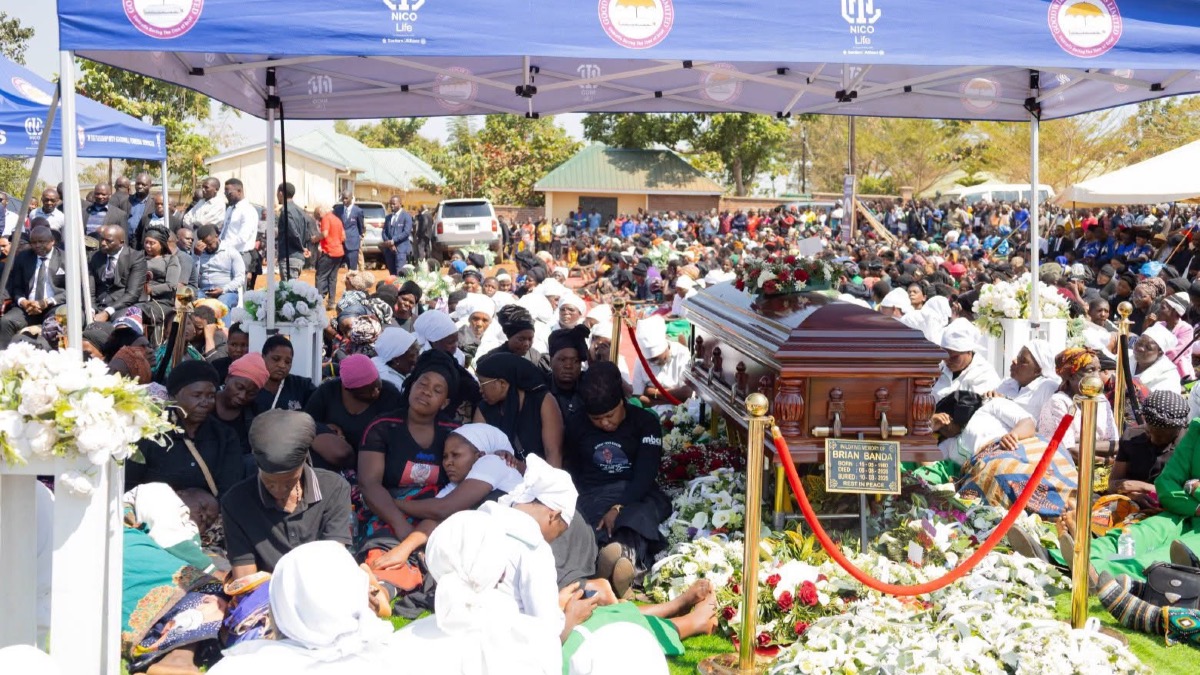
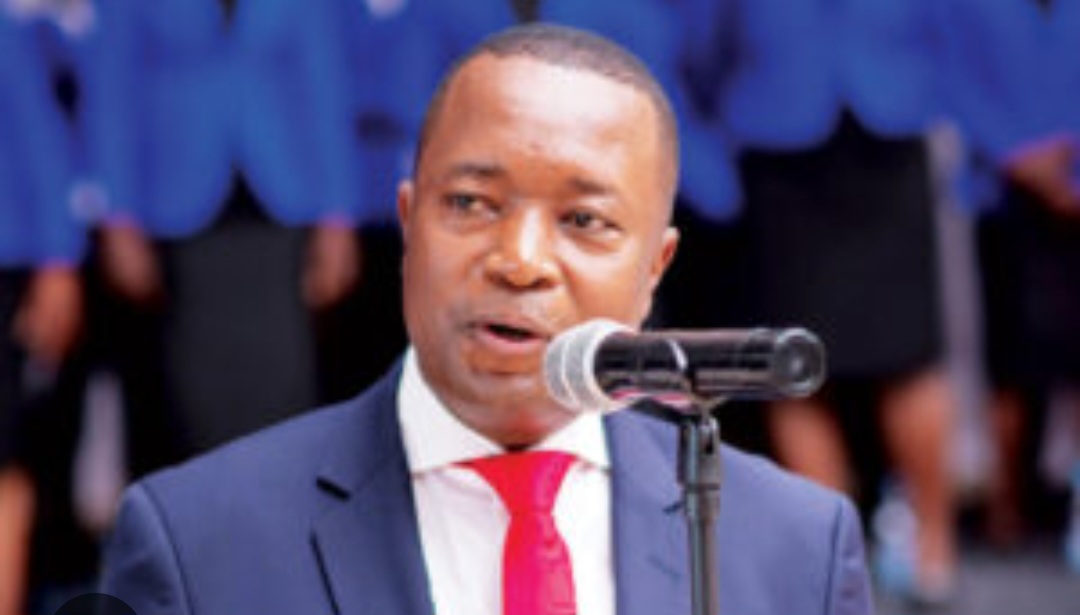
Brian Banda, the broadcaster who made Malawi's most powerful people answer for themselves, has died. A nation mourns in his own words.


Every broadcaster knows the sound of dead air. That half second when a voice stops and the next thing has not yet begun, the small silence radio is built to never allow. This Saturday morning, at Mwaiwathu Private Hospital in Blantyre, after an illness that moved far too fast, Brian Banda went off the air for the last time. And the dead air he left behind is not lasting a half second. It is stretching across a whole country, and nobody knows how to fill it.
You can hear the grief in the comment sections today, and listen closely, because the nation is not mourning him in its own words. It is mourning him in his. Under every post, the same phrases keep appearing, the ones he made famous, the ones that were his. "Can you say that again?" people are typing, through their tears. "Kumakhala bwino ndi anthu." "Mawa kumaliopa." They are quoting him back to himself. They are grieving the man in the only language that feels big enough, which is his own.
His broadcast began the way the honest ones do. From the bottom, from nothing but a voice and the nerve to use it. Capital Radio is where the country first tuned in, on Straight Talk, and it was there that a young man with an instinct nobody had taught him found the thing that would carry him for the rest of his life on air. He learned that the question was only half the job. The other half was the wait. He would ask, and then he would go quiet, and he would let that quiet do the work, let it lean on the room until the truth got uncomfortable enough to come out on its own. Guests learned to fear that pause. Listeners learned to lean into it. That pause was Brian Banda finding you out.
And when the easy answer came, the practiced answer, the one the powerful man had rehearsed in the car on the way to the studio, Brian had a way of tilting his head and saying the line that a whole country now carries by heart. "I want you to face the camera and repeat what you just said." Not loud. Not rude. Just placed on the table like a challenge nobody could refuse. Because he had heard it the first time, and he had heard the hole in it, and now he was going to make you say it again, not to him, but to the nation watching. Face the camera. Say it again. Grown men in high office learned to dread that quiet instruction, because they knew that behind it was a man who would not let them leave until the truth had been said out loud, in the open, where everyone could hear it. Read the comments today and you will see the whole country saying it back to him now, over and over. Can you say that again. As if, this time, they are the ones asking, and it is Brian who has gone quiet.
That was the thing about him. He was never afraid to go where the rest of us hesitate. He would follow a question past the point of comfort, past the polite place where other interviewers stop, into the territory people call personal, and he would stay there, patient and unblinking, until what was true finally sat in the open between them. He did not do it for the drama of it. He did it because he believed, all the way down, that a country which cannot hear itself honestly can never really know itself, and that somebody had to be brave enough to keep asking on its behalf.
But he did not only hold the powerful to account. He counselled them. In the middle of the hardest interviews, with a president or a minister sitting across from him, he would say the thing that has now become the whole nation's refrain. Kumakhala bwino ndi anthu. Be good to people. Treat them well, because the chair you are sitting in is not forever, and you never know what tomorrow holds. Mawa kumaliopa. Fear tomorrow. He said it to the mighty as a warning, a gentle hand on the shoulder of power, reminding them that positions pass and only the way you treated people remains. He said it so often that it became his. And nobody listening ever imagined that one Saturday morning the whole country would be repeating those very words about him.
By the time he was leading Hot Current, the small radio voice had become a national appointment. He sat presidents in the chair. He sat ministers in the chair. He sat the most powerful people in the land down in front of a whole watching country and refused, politely and completely, to look away. They gave him awards for it. Best Talk Show Host, said the profession's own people, because they had watched him do the thing they only wished they had the nerve to do. But the awards were never the part that mattered. What mattered happened in a thousand ordinary living rooms every evening, when his voice came on and hands reached for the volume and a whole family went quiet to listen. He had become a habit of the national night. A fixed point you could set your worry by. The sound of a country checking in on itself to make sure it was still there.
And here is the cruelty of this morning, said plainly. He was not an old man at the end of a long road. He was still working, still leading the national broadcaster, still in the middle of his story. There was no warning and no slow goodbye. One week he was at his desk, at the top of his profession, and the next he was gone. He left the way nobody is ready for, suddenly, with so much of the work unfinished and a tomorrow he fully expected to see. Mawa kumaliopa, he used to tell us. Fear tomorrow. None of us knew he was describing his own.
So somewhere now a microphone is sitting switched off, still warm, waiting for a voice that is not coming back to it. Somewhere the red light is dark. The country is holding all this dead air he left behind, and for once there is no producer counting down in anyone's ear, no urgent cut to the next thing, no rush to fill the gap. For once we are allowed to do the one thing he taught us better than anyone. We are allowed to let the silence sit. To let it lean on us, the way his pauses used to lean on the powerful, until we feel the full weight of what has just left the air.
Rest now, Brian. You were good to people, and you told the powerful to be good to people, and today the people are being good to you in the only way left to them, by refusing to stop saying your name and your words. The microphone is quiet. The country is listening to the space where you used to be.
Face the camera, we want to tell him. Say it again. Just one more time. But the studio is dark, the camera is off, and the only answer this morning is silence.
Marshall Dyton
Comments
Be the first to comment.