Dhikr Is Not a Luxury for People With Free Time
We have convinced ourselves that remembering Allah is something we will get to later. That is a mistake we cannot afford.


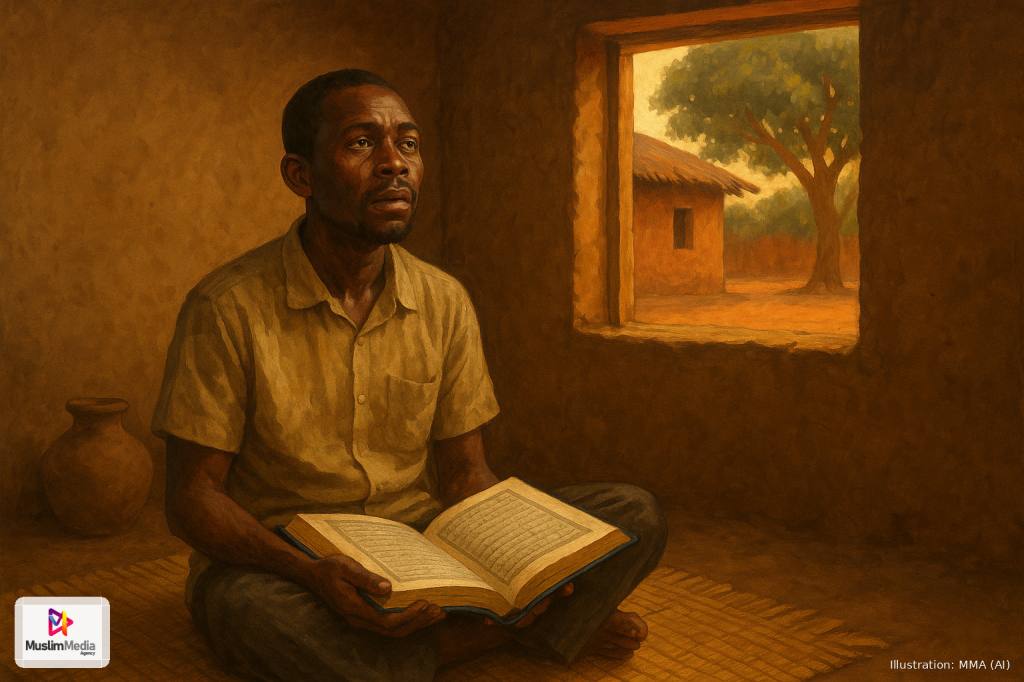
There is a quiet lie many of us carry through our days. We tell ourselves that dhikr, the remembrance of Allah, belongs to a certain kind of life. The life of a scholar who has finished his work. The retired elder with her prayer beads and an empty afternoon. The person who has, somehow, sorted everything out. The rest of us, we say, are too busy. We will get to it later.
Later rarely comes. And in the meantime, we go through our days spiritually hollow, wondering why nothing feels settled, why our salah feels rushed, why we snap at our children over small things and lie awake at night with a restlessness we cannot name.
The answer is not complicated. We have starved the part of ourselves that needs Allah's remembrance the way the body needs water. And we have dressed that starvation up as responsibility.
I want to push back on this, because I think it is doing serious damage to how we live as Muslims in Malawi and everywhere else. Dhikr is not a spiritual bonus for people who have already met all their obligations. It is not a reward you unlock after you have finished your to-do list. It is the foundation that makes the to-do list bearable. Allah tells us in the Quran that it is in the remembrance of Allah that hearts find rest. That is not a suggestion for people with free time. That is a statement about human beings.
Think about the kind of Muslim life we are actually living. We wake before Fajr, or we do not. We get children to school, we chase money, we sit in traffic, we answer messages, we haggle in the market, we worry about hospital bills and school fees and the price of maize flour. By Isha we are exhausted. Where, in that picture, does remembrance of Allah fit? That is the question people ask, and I understand why. But I think we are asking it wrongly.
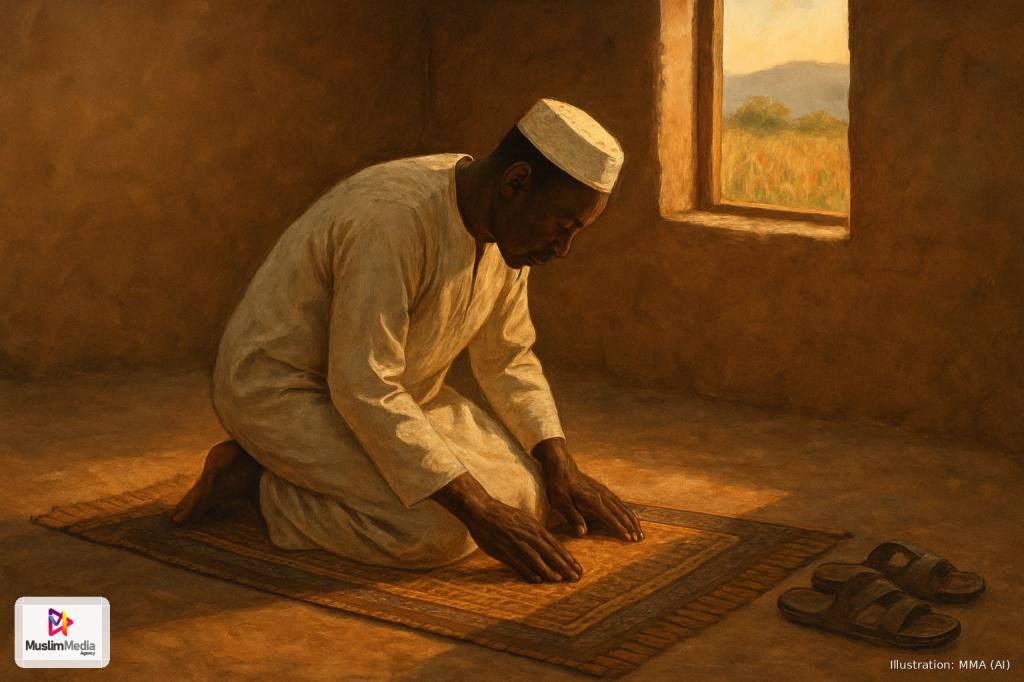
We have decided that dhikr requires a dedicated block of time, a clean mat, silence and a cleared mind. None of that is true. The tradition is full of remembrance that was never meant to be separated from ordinary life. SubhanAllah walking to the borehole. Alhamdulillah when the food is ready. Bismillah before you start your engine. Astaghfirullah when you realise you lost your temper. These are not lesser forms of dhikr waiting to grow up into the real thing. They are the real thing, woven into movement and breath and work.
The Prophet, peace be upon him, said that the difference between the one who remembers Allah and the one who does not is like the difference between the living and the dead. That is strong language, and it is meant to be. A body that moves but does not remember Allah is going through motions. We know this feeling. Most of us have lived it for stretches of time. The days that feel mechanical and grey, when nothing quite lands, when even good news does not lift us fully. That is often not a material problem. It is a spiritual one.
I am not calling anyone to guilt. Guilt without direction is useless, and Allah's mercy is wider than our failures. What I am calling for is an honest rethinking of what we consider essential. We find time for what we have decided matters. We find time for football results and phone scrolling and conversations about other people's business. The issue is never really time. It is priority, and priorities come from what we believe at the level of the heart, not just the mind.
If we genuinely believed that remembering Allah settles the chest, sharpens the conscience and keeps shaytan at a distance, we would treat it the way we treat charging our phones. Not an occasional luxury. A daily necessity we do not skip because the day will not run properly without it.
Start small if you must. Ten minutes after Fajr. Thirty count of tasbih before you open your first message of the day. The habit will grow, because it feeds something real. You will notice the difference in how you carry yourself, how you respond to difficulty, how the amanah of your daily life starts to feel lighter rather than crushing.
The Ummah is not short of busy people. It is short of people who remember Allah while being busy. That is the gap worth closing, and it does not require free time. It requires decision.
Marshall Dyton
Comments
Be the first to comment.