Safar Is Here. What the Month Actually Demands of Us
The new month arrived this week carrying centuries of superstition. Islam settled this debate long ago. Here is what Safar actually asks of us.
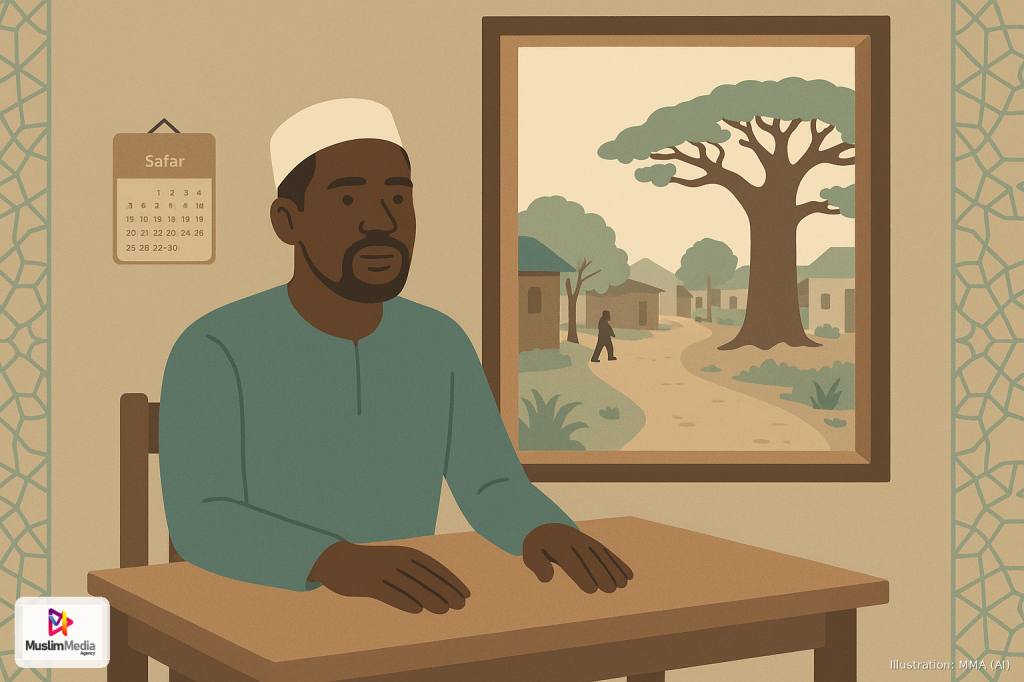
Safar 1448 AH is here. The month began this week, and with it, as happens every year in communities across Malawi and the wider Muslim world, the old whispers started again. People warning against travel. Families postponing weddings. The vague sense that this is a month to keep your head down and wait out.
None of that has any basis in Islam. The Prophet Muhammad (ﷺ) was direct about it. As recorded in Sahih Bukhari, hadith 5707, he said there is no bad omen in Safar. That was not a gentle suggestion. It was a correction, aimed squarely at the pre-Islamic Arab belief that Safar carried special misfortune. Before Islam, Arabs associated the month with calamity and evil forces, and avoided starting new ventures during it. The Prophet cut that thinking off at the root.
What makes the superstition even harder to defend is the history of the month itself. It was on 27 Safar, in the 14th year of Prophethood, that the Prophet left Makkah under cover of night, beginning the Hijrah to Madinah, according to Islamic scholar Akhmad Arif Rifan as cited by Muhammadiyah. He departed with assassins surrounding his house, a price on his head, and no guarantee he would survive the journey. He moved anyway. That departure, in this very month, became the event around which the entire Islamic calendar is anchored.
When he arrived in Madinah, the Prophet did not rest. He built. Masjid Nabawi went up first, and it was never just a prayer hall. It was the community centre, the school, the place where disputes were resolved and policy was made, according to the Muhammadiyah reflection on the migration. He then established the mu'akhah, the brotherhood pact that paired every Meccan refugee with a Madinan host, creating a bond of solidarity that cut across tribe and bloodline. Then came the Constitution of Madinah, which set out the rights and obligations of all residents, Muslim and non-Muslim alike.
That sequence of actions is the real lesson of Safar. Not fear. Not caution born of superstition. Action under pressure, community-building in unfamiliar territory, and the amanah of leadership taken seriously from day one.
For Malawi's Muslim community, Safar falls this year in the middle of July, a month of school terms, hospital queues, and the ongoing pressures of daily life. There are no special fasts prescribed for Safar, no obligatory rites unique to this month. What is required is what is always required: the five prayers, Quran, charity, and honest conduct. The ummah does not need a special month to do those things well. But a month freighted with centuries of misunderstanding is perhaps a useful moment to ask whether we are doing them at all.
Comments
Be the first to comment.
Related Stories
The Scholar Who Never Got a Certificate and What Islam Says About the Knowledge He Still Carries
Birr al-Walidayn Is Not a Feeling. Islam Describes It in Hours, Dirhams and Presence.