The Night Malawi Stood Still: Scorchers Come Home to a Nation in Tears
Water cannons, a military band, a First Lady in team colours and streets that refused to empty. Lilongwe gave the Scorchers a homecoming worthy of the history they made.

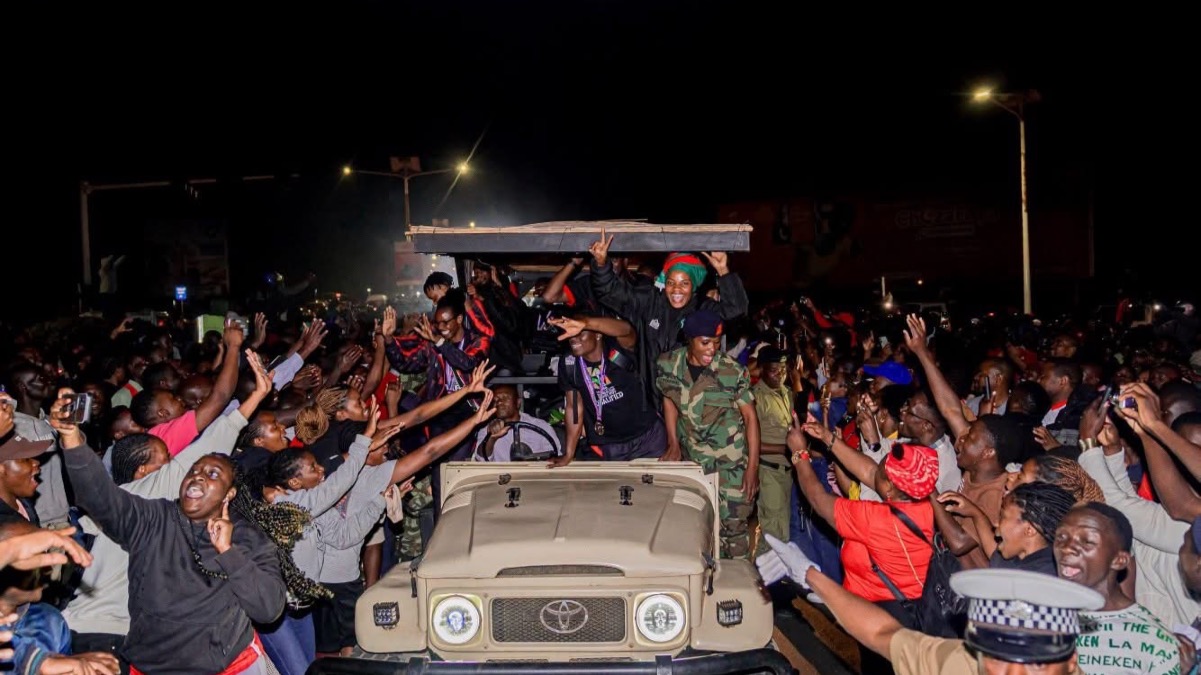 Photo: FAM
 LILONGWE — The plane appeared over the capital just after half past four, and before its wheels had even kissed the runway at Kamuzu International Airport, the roar had begun.
Two fire trucks arched jets of water over the Malawi Airlines aircraft in a ceremonial salute usually reserved for presidents and departing legends. Inside, flown home, fittingly, by an all-female crew—sat the Scorchers, the women who left this country as unknowns and returned on Wednesday as the pride of a nation.
At the foot of the aircraft stairs stood First Lady Gertrude Mutharika, dressed not in the formal wear of State House but in a red Scorchers tracksuit—one of the team, one of the fans. She gave no speech. She simply took each player by the hand as they came down the steps, one after another, silver medals glinting against black shirts, flowers pressed into trembling arms. Some of the players were fighting back tears before their boots touched the tarmac. By the time captain Tabitha Chawinga descended with a bouquet clutched to her chest and the national flag unfurled before her, the ululation from the crowd had swallowed the sound of the engines entirely.
And what a crowd it was. They had started arriving hours earlier, filling the viewing stands and spilling down the grass embankments—mothers with babies wrapped on their backs, schoolgirls in replica jerseys, elders who remember when women's football in this country was an afterthought. One young man had painted his entire body in the red, black and green of the flag, goalkeeper Mercy Sikelo's name written across his skin. Football legend Kinnah Phiri stood among the ordinary fans, waving a flag like everyone else. A banner rippled above the sea of heads with two words that said everything: History Makers.
Then the Malawi Defence Force brass band struck up, drums rolling, horns blazing, and the welcome became a procession. The players climbed aboard an open safari truck and a convertible. Head coach Lovemore Fazili, goalkeeper Sikelo and captain Tabitha up front, while Temwa Chawinga held aloft the golden boot she won as the tournament's top scorer, her medal between her teeth and her eyes shining. And the nation walked with them.
Night fell, and still they came. Through Kanengo the convoy crawled, through Area 18, past Capital Hill, the darkness lit by streetlights, headlamps and the glow of ten thousand phone screens. The August cold did nothing. Workers still in their overalls danced at the roadside. Women in chitenje sang the old songs with new words. Strangers embraced. Chants of "Tili pambuyo pama Scorchers" rolled down the streets like a wave, and the players , exhausted from a continental campaign and a long flight home—stood in that truck for hours, waving until their arms ached. Because how do you sit down when your whole country is on its feet for you?
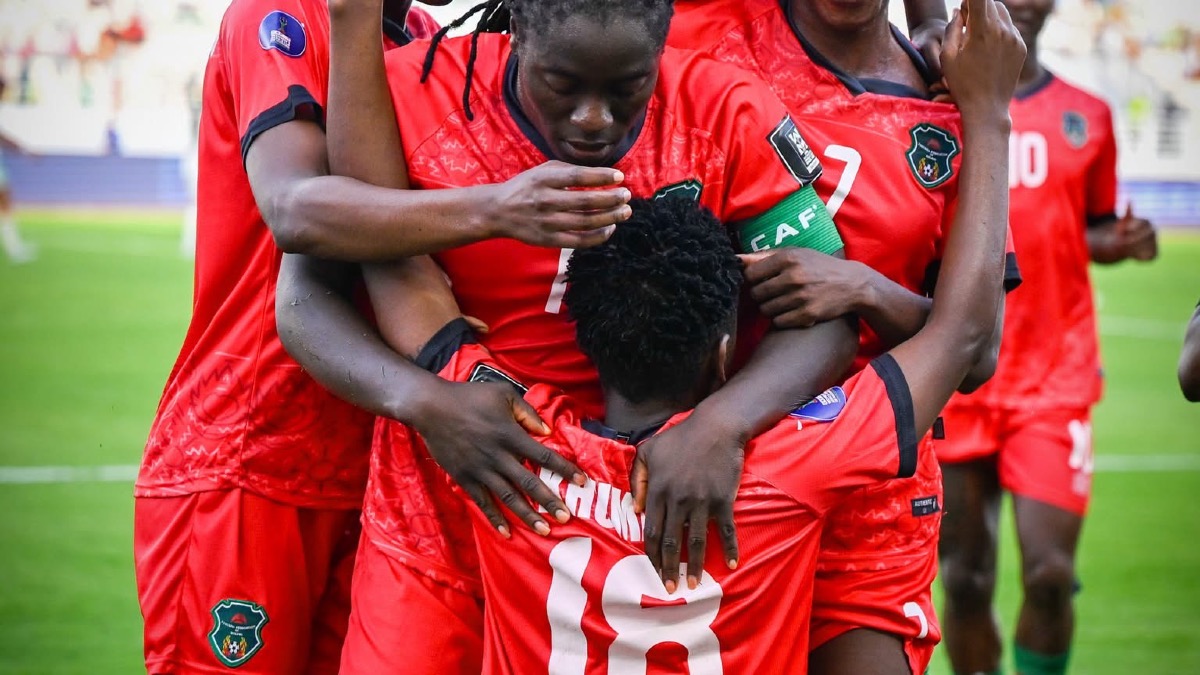
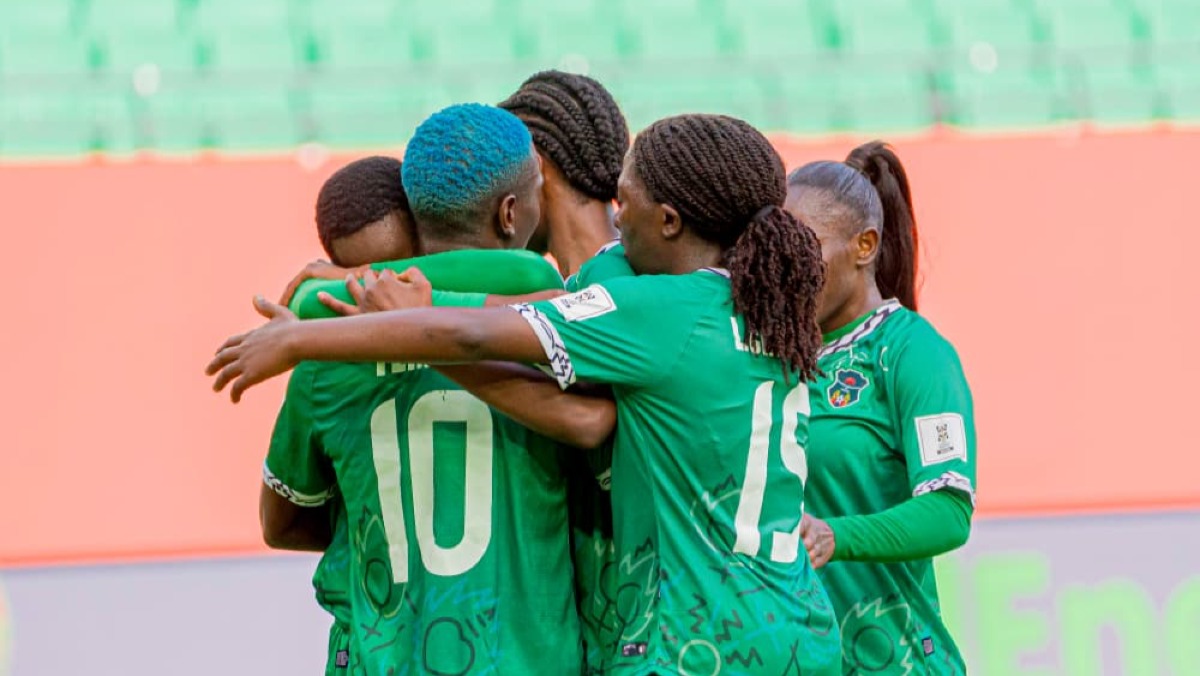
They had every reason to stand tall. These are the women who arrived in Morocco as the lowest-ranked side in the tournament, playing their very first Women's Africa Cup of Nations, and humbled ten-time champions Nigeria 3-2 in their opening match. Who beat Egypt, conquered Ghana to book Malawi's first-ever place at a FIFA World Cup, and dismantled Algeria to reach the final itself. Sunday's 3-0 loss to Cameroon in Rabat stung—but by the time the convoy reached Capital Hotel, where soldiers stood rigid in a guard of honour as the crowd danced around them, it was clear nobody in Malawi was counting that scoreline. They were counting something else: a first silver medal, a first World Cup ticket to Brazil, and the first time in a long time that this whole country—across region, party and creed—stood on the same side, singing the same song.
For the little girls in oversized red jerseys who reached through the crowds just to touch the sleeve of a Scorcher, something changed under those floodlights. They watched women from Malawi hold a continent's attention, and come home to water cannons, a military band and a nation in tears. They saw what is possible.
The Scorchers went. The Scorchers came back. And Malawi will never be the same.
Marshall Dyton
Comments
Be the first to comment.