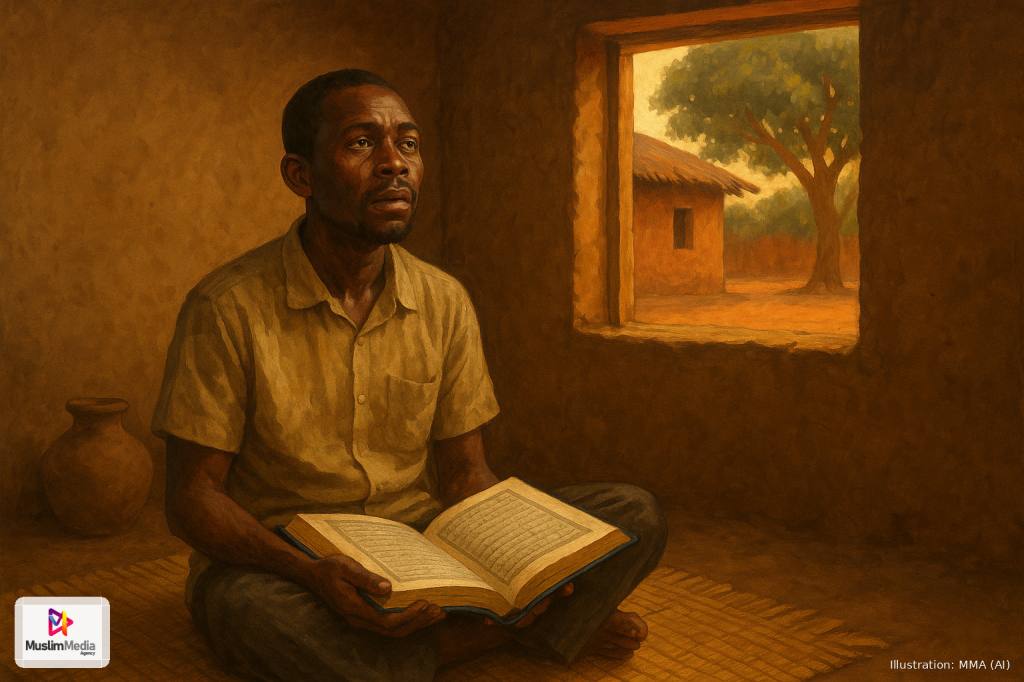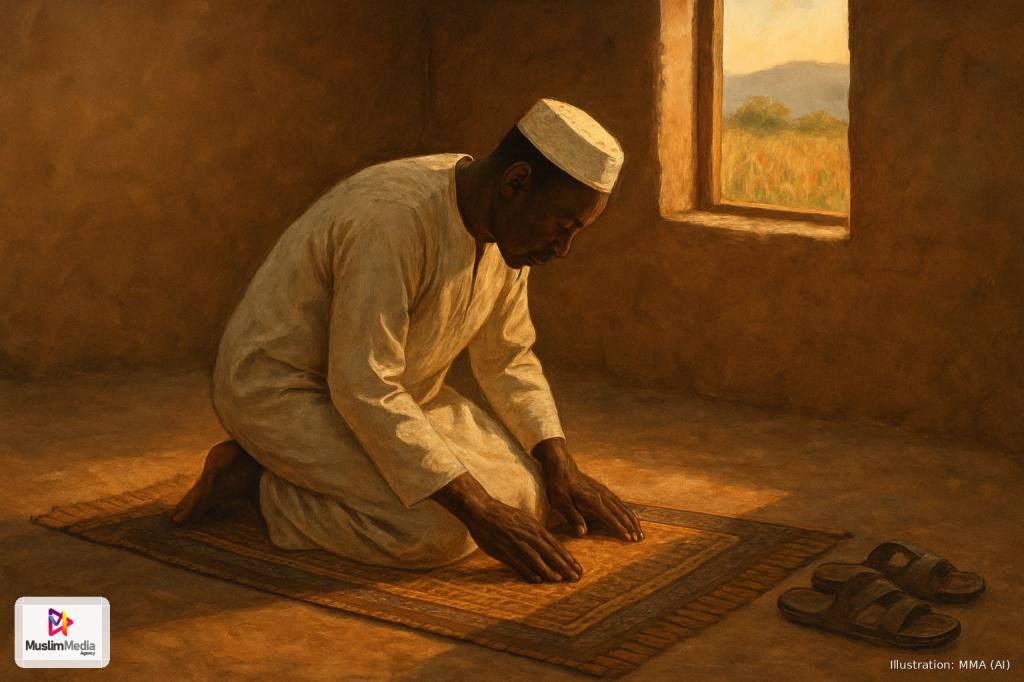
The Words That Escape Us When We Are Hungry and Tired
Hunger and fatigue are not excuses for a careless tongue. Islam has a lot to say about the words we speak when we are at our lowest.
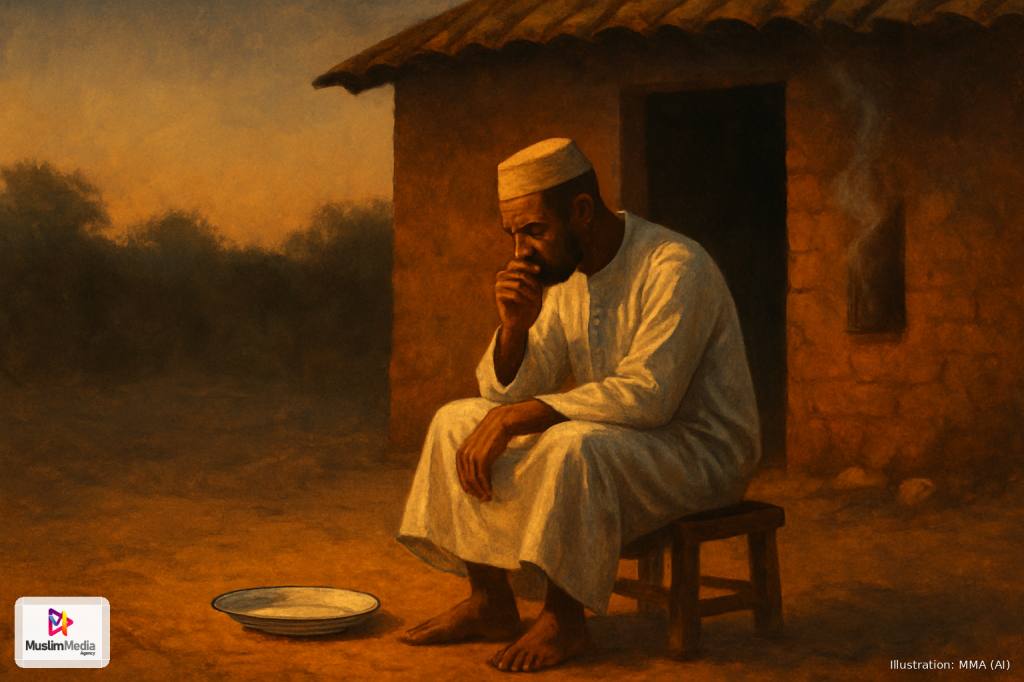
There is a version of yourself that appears when you have not eaten since Fajr, the afternoon sun is bearing down, and the day has refused to go easy on you. That version speaks first and thinks later. We all know it. We have all been it.
What Islam asks of us in those moments is not easy. But it is clear.
The Prophet, peace be upon him, said that a person who can guarantee what is between their jaws and what is between their legs will be guaranteed Paradise. That is a remarkable promise attached to a very difficult task. The mouth, when the body is weak, becomes a door that swings open without permission. Hunger lowers our guard. Fatigue strips away the patience we worked to build through the day. And in that gap, words rush out that we would never choose in a calmer hour.
This is not a new human problem. It is ancient. But our tradition addresses it with a directness that still surprises people who have not sat with it properly.
When we are hungry, especially during Ramadan, the Prophet gave us specific instruction. If someone provokes you while you are fasting, you say: I am fasting. You say it to remind yourself first, and the other person second. That small phrase is a full spiritual technology. It creates a pause between the provocation and your response. It reminds you of a higher purpose that is operating even while your stomach is empty and your temper is short. The fast is not only about food. It is about training the self to hold its tongue when holding it is hardest.
But Ramadan ends. Hunger does not. Many of our brothers and sisters in this country go through days that are genuinely difficult. Work is hard. Money is tight. Meals are uncertain. And tiredness is not only physical. There is a kind of weariness that comes from carrying worry for a long time. That weariness does the same thing to the tongue that hunger does. It loosens it.
We speak harshly to our spouses because we are exhausted, not because they have truly wronged us. We snap at our children because the day broke us before we got home. We say things to colleagues or neighbours that we later struggle to take back, because we were running on empty when we said them. And then, often, we excuse it. We say: I was tired. I was hungry. I was not myself.
Islam does not accept that excuse as a full defence, but it does not ignore the reality either. Our tradition acknowledges human weakness with great mercy. Allah knows what He created. He knows that we are not angels. But that same tradition holds us responsible for the amanah of the tongue, because the tongue is not a passive organ. It is a choice, even when it does not feel like one.
The scholars have long taught that anger, hunger and fatigue are conditions that require us to actively choose silence, not conditions that permit us to speak carelessly. There is a famous guidance to not make decisions when you are angry. The same wisdom extends to your words. When the body is depleted, the right default is less speech, not more. A person who is struggling should train themselves to go quiet first, not loud.
This is practical counsel. Before you reply to that message that irritated you, eat something if you can. Rest if you are able. Make wudu. Change the physical state before you engage with the emotional one. These are not superstitions. They are tools that work, because the body and the soul are connected in this deen in ways that Western self-help literature is only beginning to acknowledge.
And if the words have already left your mouth, the path is clear too. Apologise honestly. Do not dress it up. Do not say, I am sorry if you were offended. Say: I spoke badly. I was wrong. I ask you to forgive me. The same courage that should have held the tongue must now do the harder work of repairing what it damaged.
We are a community that recites Bismillah before we eat. We say Alhamdulillah when we finish. We frame the act of nourishing the body inside remembrance of Allah. Let that same consciousness extend to what happens between those two moments, when we are at the table, in the kitchen, in the queue, in the car on the way home. The words we speak when we are hungry and tired are not footnotes to our character. They are, quite often, the truest test of it.
Comments
Be the first to comment.