
Traffickers are in your phone now, Minister warns Malawians
Criminal networks have gone fully digital, using fake job ads and social media to snare young Malawians desperate for work.

 Malawi Police Service
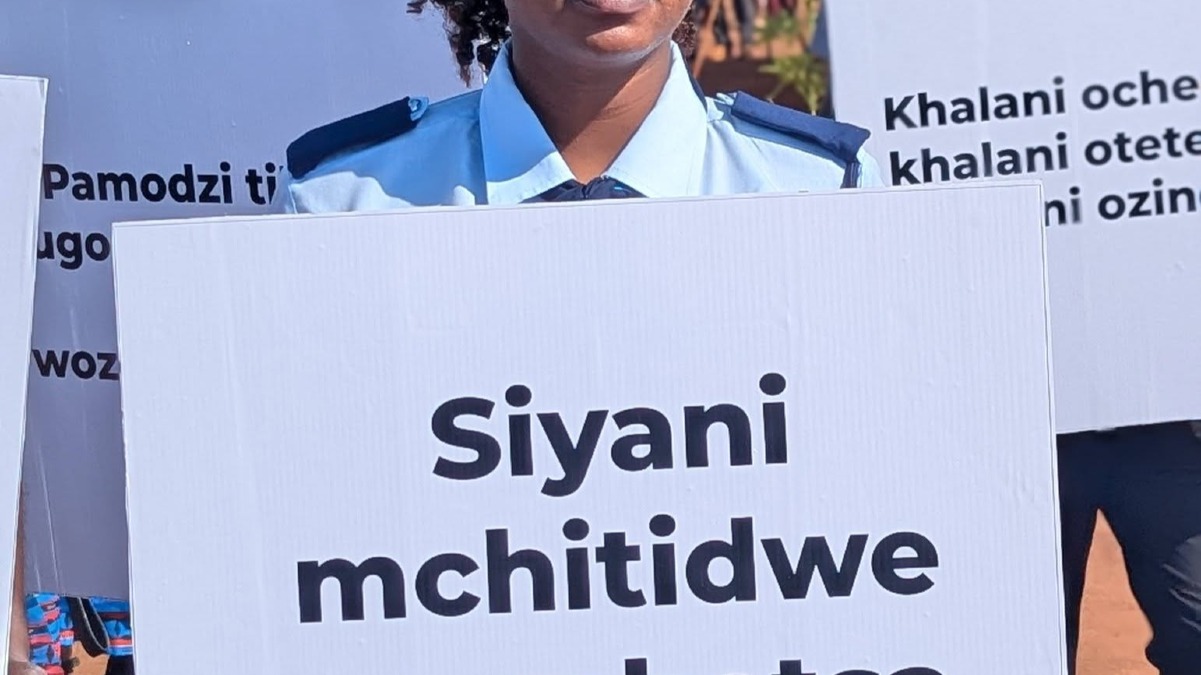
 Human traffickers in Malawi have abandoned the roadside and the border post. They are now in your pocket, scrolling the same feeds your children scroll every day. That was the blunt message from Minister of Homeland Security Peter Mukhito on Thursday, 30 July 2026, as Malawi marked the World Day Against Trafficking in Persons at Chilimampunga Ground in Mtandire, Lilongwe.
Mukhito said traffickers are changing tactics by taking advantage of technology and people's search for better opportunities, warning that a simple online message could be the beginning of a trafficking journey. "Today trafficking may not approach a victim at a border. The trafficker may strive through a mobile telephone, through a social media message, through a fake job advertisement, through a fraudulent recruitment agency, or through someone pretending to offer friendship, employment, or love," he said.
In a country like Malawi, traffickers exploit unemployment by advertising fake overseas jobs with huge promised salaries. Police recorded 16 trafficking cases so far this year, but Mukhito admitted the true number is likely much higher because many victims do not realise they have been trafficked until it is too late. The cases police know about are almost certainly the tip of what is there.
Authorities cited the recent rescue of two Malawians from Myanmar, where they were allegedly imprisoned and forced to work in scam compounds, and ongoing repatriations from Mozambique of Malawians trafficked to South Africa. International Organisation for Migration programme officer Alina Zalewski said Malawi sits on one of Africa's busiest irregular migration routes, with between 10,000 and 20,000 migrants using the southern corridor through Malawi each year. Malawi is now both a source, transit and destination country, she added.
Malawi Network Against Trafficking national coordinator Caleb Thole added that poverty remains the driving force behind the crisis, with criminals exploiting hardship through false promises of jobs and better living conditions. He called for tougher law enforcement action against online recruitment scams and urged the public to report suspicious activity.
This year's theme, "Trapped Behind the Scam," was chosen to reflect how criminals exploit people's hopes and desperation. For the Ummah in Malawi, the warning lands close. Young Muslims scrolling for work on Facebook, WhatsApp or TikTok are in the exact demographic these networks are hunting. The amanah of protecting our youth from this threat falls on families, sheikhs, mosque committees and community leaders alike.
Mukhito also announced that the government plans to table amendments to the Immigration Act at the next sitting of Parliament, prioritising tighter border management, enhanced digital surveillance and stiffer penalties for individuals and networks that exploit vulnerable Malawians. Malawi Network Against Trafficking coordinator Caleb Thole also called for urgent digital investigative training for officers and increased donor funding.
The minister's parting words were simple. "Verify before you trust. Question before you travel. Report before it is too late."
Marshall Dyton
Comments
Be the first to comment.