Why Sheikh Omar Nkachelenga: The Teacher Who Would Not Let the House Fall
A teacher, not a patron, stepped in when Malawi's biggest Muslim investment faced collapse. Now he wants to lead the whole community.

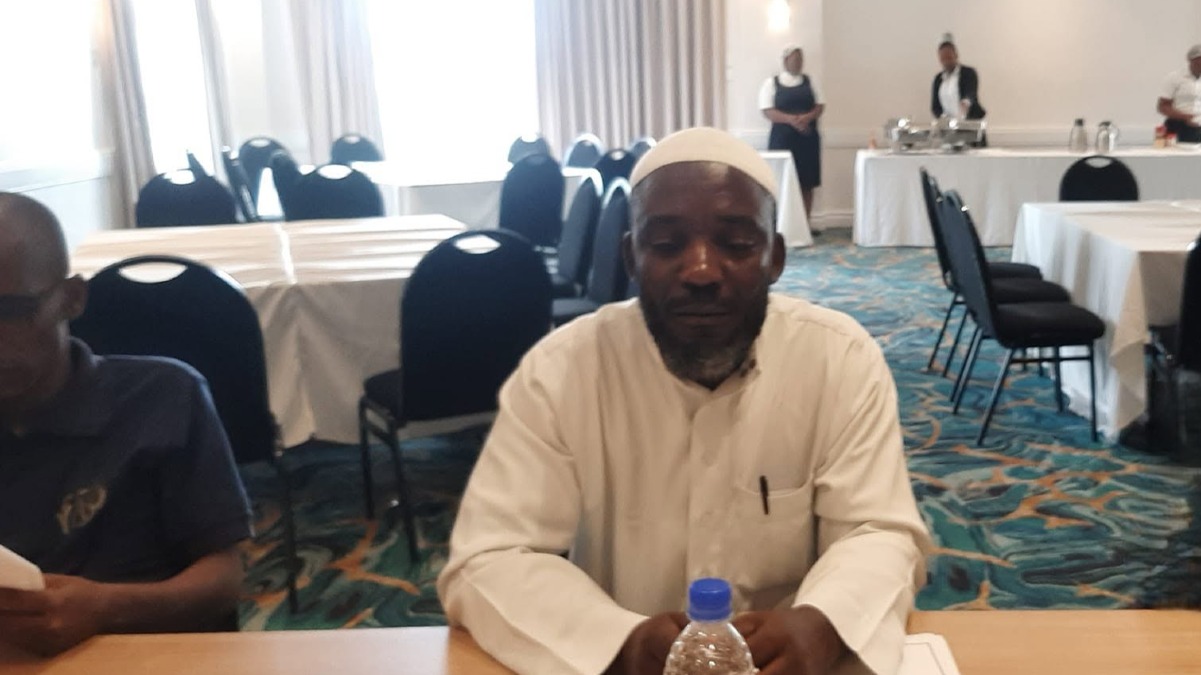
Sheikh Omar Nkachelenga
The community was about to lose everything it had built.
The Qur’an House was meant to be the pride of Malawi’s Muslims, the single biggest investment the community had ever made in itself. And then it was nearly taken from them. A legal battle over a contract, an architect pressing enormous claims against the organisation, threatened to swallow the whole project in debt. What had been raised through years of sacrifice stood on the edge of being lost to a courtroom. For many, it felt like watching a house you had built with your own hands begin to fall.
In that moment, the community did not need another speech about hardship. It needed someone to act. And the man who stepped forward was not a wealthy patron or a distant official. He was a teacher, the deputy principal at the Blantyre Islamic Mission, a man whose whole life had been spent in service rather than in the accumulation of means.
Sheikh Omar Nkachelenga took up the Pulumutsani Qur’an House campaign and made it his mission. As its National Coordinator, he did what he has always done best: he went to the people, not the powerful, and asked the many to give the little they had so that together they could do what no single person could. It was fundraising as an act of faith, a belief that a community that gives together cannot be defeated. And through that campaign, a name known in one mission school became a name known across Malawi.
For those who have watched him over the years, none of this was a surprise. It was simply who he is. When a fellow Muslim leader died, Nkachelenga launched a condolence collection within hours, so the grieving family would not stand alone. When a needy Muslim student at the College of Health Sciences had nothing, he raised the money, bought her a laptop with his own hands, and carried it to her himself. When the hunger of a hard Ramadan pressed on the poorest, it was Nkachelenga explaining, gently, who is owed charity and who is excused from giving it. His has been a life spent moving what little there is toward those who have less.
This is the heart of the case for him. He asks the community to trust him with its leadership because it has already, again and again, trusted him with its money in its most desperate moments, and he has never once betrayed that trust. He offers a leadership of open books. He has pledged to declare his own personal wealth publicly if elected, so that no shadow of suspicion could ever fall on how the association’s resources are handled. He speaks of strengthening governance, of transparency and accountability, of making education a first priority, and of finally building the Qur’an House headquarters the community deserves.
He does not come with decades of office behind him. He comes with something his supporters believe matters more: a proven habit of putting the community’s needs above his own, tested not in comfort but in crisis. He decided to stand, he says, only after 63 days of reflection and seeking Allah’s guidance, and he has promised a campaign built on facts and not on insults.
The question he places before the delegates is a simple one. When the house was falling, he was one of those who held it up. On 26 July, they can decide whether the man who helped save the community’s greatest investment should now be trusted to lead the whole of it.
Marshall Dyton
Comments
Be the first to comment.