Zakat Is Not Charity. It Is What the Poor Are Already Owed.
We have grown comfortable calling zakat generosity. That comfort is the problem. The poor are not recipients of our goodwill — they are creditors.
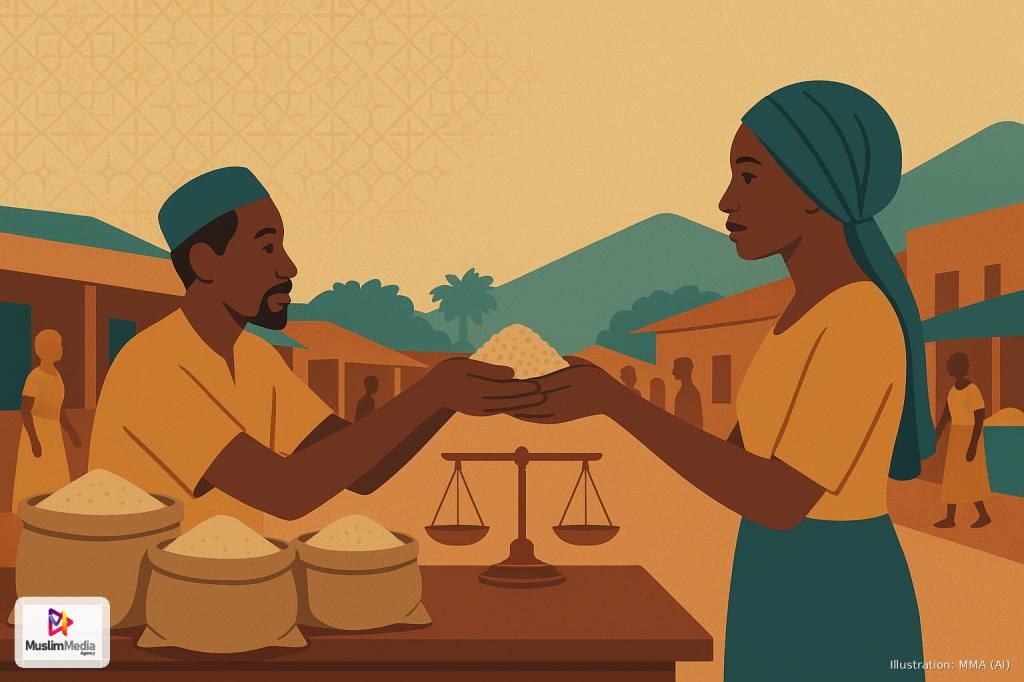
Somewhere along the way, we started treating zakat like a gift. We announce it. We photograph the handover. We expect gratitude. And in doing so, we have turned one of the five pillars of Islam into something it was never meant to be: an act of personal kindness.
It is not. Zakat is a debt. The poor are not waiting on our generosity. They are owed.
This distinction matters more than most of us are willing to admit. When you frame zakat as charity, you place the giver at the centre of the transaction. The giver becomes noble. The receiver becomes humble. Power flows one way, and the poor are quietly expected to perform gratitude for what is, by the reckoning of Allah, already theirs. That framing is wrong. It is theologically wrong, and it does real damage to how we treat the people around us.
The Quran does not describe zakat as sadaqah. Sadaqah is voluntary. It comes from the heart, and it is beautiful. Zakat is something else entirely. It is fard. Obligatory. It is named in Surah At-Tawbah among the rightful claimants: the poor, the destitute, those in debt, the wayfarer. The word used, "haqq", means a right. A due. Not a favour.
What this means practically is that when a Malawian Muslim whose wealth meets the nisab threshold holds back zakat, they are not simply being ungenerous. They are withholding something that does not belong to them. The portion of wealth that becomes zakat-eligible was never fully theirs to begin with. It was held in trust, with a portion already assigned to those who need it. This is amanah at the level of the whole economic order.
We need to sit with that idea. Amanah. We use the word often when we talk about leadership and honesty. But it applies here just as squarely. The wealthy among the ummah are trustees, not owners, of the surplus Allah placed in their hands. The poor are not standing with their palms open waiting for kindness. They are standing to collect what the Creator already assigned to them.
Now, someone will say: does the framing really matter, as long as the money moves? It does. It matters because when we treat zakat as charity, we build systems that are irregular, personality-dependent and easy to skip. The mosque committee collects when it remembers to. The businessman pays when he is feeling generous, or when Ramadan creates social pressure. The amount is approximate. The calculation is rough. And the poor receive something, sometimes, from someone, when the mood is right.
That is not a pillar. That is a suggestion.
When we treat zakat correctly, as a right that the poor hold over us, the system looks very different. Calculation becomes precise because you do not shortchange a creditor. Distribution becomes consistent because you do not delay paying a debt. The recipient is not a beggar at your door; they are someone you owe, and the interaction carries a completely different dignity.
In Malawi, where poverty is visible and widespread, and where our Muslim communities stretch across cities, towns and rural areas, the stakes of this framing are not abstract. Families in our communities go hungry. Orphans go without school fees. People carry medical debt they cannot clear. Zakat funds, if collected properly and distributed according to the categories Allah named, could address real suffering in a real and structured way. What holds us back is partly administrative, yes, but it is also this quiet, wrong-headed idea that zakat is something extra we do when we feel moved to do it.
We are not moved to pay rent when we feel moved. We pay it because it is owed. Zakat deserves the same seriousness.
There is also something corrosive about the charity model at a personal level. When we give as benefactors, we can withhold as benefactors. We can attach conditions. We can decide who among the poor is deserving enough of our goodwill. The history of charitable giving, in every society and every faith tradition, is full of this kind of gatekeeping. But if the poor hold a right, then that right is not conditional on our assessment of their character or their gratitude.
The Prophet, peace be upon him, warned against allowing wealth to circulate only among the rich. Zakat is one of the mechanisms Islam built to stop that. It only works as a mechanism if we treat it like one: not a warm impulse, but a structured obligation. Not our generosity on display, but our debt, honourably paid.
The poor are not lucky to receive our zakat. We are accountable if they do not.
Comments
Be the first to comment.
Related Stories
The Scholar Who Never Got a Certificate and What Islam Says About the Knowledge He Still Carries
Birr al-Walidayn Is Not a Feeling. Islam Describes It in Hours, Dirhams and Presence.