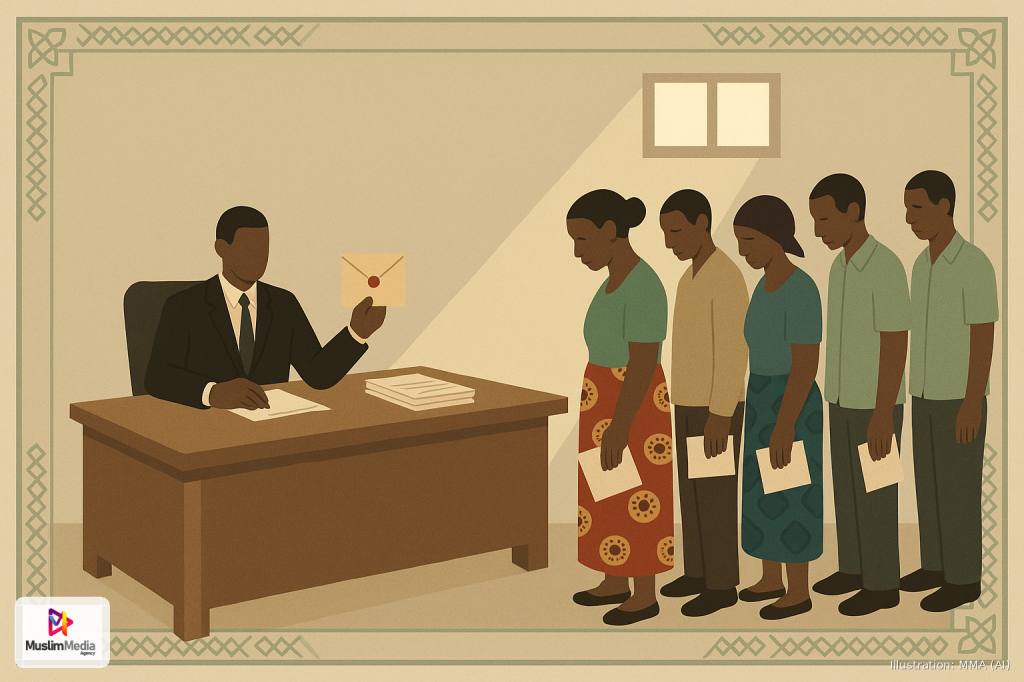
A Mother Raising Children Alone Is Not Half a Family
When a father is absent, society is quick to call the home broken. It is not. A mother holding her family together deserves recognition, not pity.

There is a habit in our communities, and we have all heard it spoken aloud at weddings, at funerals, in mosque corridors and at neighbourhood gatherings. Someone mentions a woman raising her children without a husband, and the room shifts. Faces fall. A sympathetic tongue clicks. "Poor children," someone murmurs. "They are from a broken home."
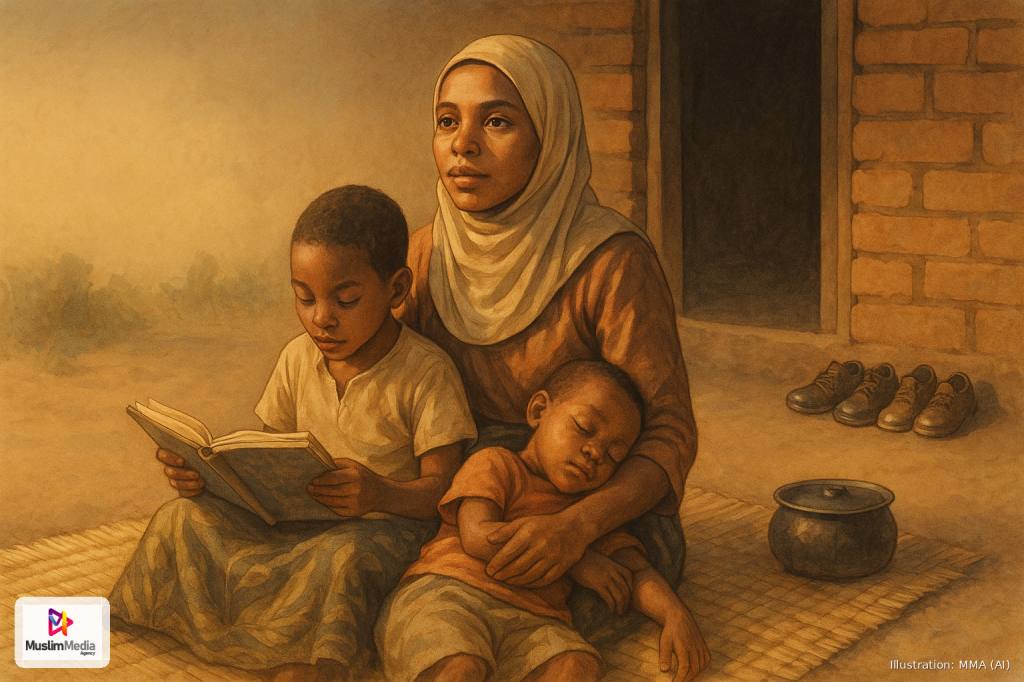
I want to challenge that language. Not gently, but directly. A home held together by a mother who wakes before fajr, who stretches a small income across school fees and food and medicine, who reads to her children and disciplines them and prays over them at night, is not broken. It is, in many cases, more whole than households that have two adults but carry dysfunction behind closed doors.
The phrase "broken home" was never a neutral description. It carries a verdict. It tells children that their family is deficient, that something essential is missing from them, that they begin life at a disadvantage because of an arrangement they did not choose. We should retire that phrase. A home is broken by neglect, by violence, by dishonesty. It is not broken simply because one parent is absent.
Our deen teaches us to see things as they are. Rasulullah, peace be upon him, honoured the role of the mother above all others. The Quran reminds us that Allah does not burden a soul beyond what it can bear. A woman raising children alone is not a symbol of failure. She is carrying an immense amanah, and she is carrying it. That deserves recognition, not a lowered voice and a pitying look.
I say this as someone who has watched such women in our Ummah, in villages and in cities, in Blantyre and in Mzuzu and in the smaller towns where resources are thin and community eyes are sharp and judgemental. I have watched women who were widowed young, women whose husbands left, women whose marriages ended by necessity, raise children who are kind and educated and grounded in their faith. Those children did not succeed despite their homes. They succeeded because of them.
The damage we do with careless language is real. A child who grows up hearing that his family is broken absorbs that message. He carries it into classrooms and friendships and eventually into his own sense of self-worth. A girl who is told, even indirectly, that her mother's household is incomplete may grow up believing she comes from something lesser. Words are not small things. In Islam we understand this. We are accountable for what our tongues produce.
There are practical things our communities can do, and they do not require large budgets or formal programmes. A masjid that notices a single mother in the congregation and finds quiet, dignified ways to include her family in community life is doing something of value. An uncle or an older neighbour who offers consistent, respectful presence to children without a father at home is doing something of value. We do not need to announce these gestures. We simply need to make them.
The question of fathers is also worth sitting with honestly. When a man leaves a family or is absent from it, the conversation in our communities often drifts toward the mother's situation. We discuss what she will manage, what the children will lack. We rarely discuss, with the same energy, what obligations the absent father continues to carry. Islam is clear on this. A man's financial and moral responsibility toward his children does not end because a marriage ends. That accountability belongs to him. The mother should not be the one made to feel the weight of his absence as though it were her failure.
None of this is to say that raising children alone is easy, or that the presence of a caring father is unimportant. Of course it matters. Children benefit from both parents when both parents are present and functioning well. But we live in the world as it is. Husbands die. Marriages break down. Men disappear. And in those realities, women rise. They have always risen.
So the next time someone in your circle refers to a single mother's household as broken, push back. Not with a lecture, but with a simple correction. That home is not broken. That mother is working. Those children are being raised. The family is smaller than it was designed to be, perhaps, but it is not half of something. It is whole in the ways that matter most, held together by love, by sacrifice and by the mercy of Allah, which does not require a complete household to be present.
Marshall Dyton
Comments
Be the first to comment.