The Child Who Forgot Their Parents Has Forgotten More Than They Know
Islam does not allow a grown child to shelve their parents once independence arrives. We must reckon with what we are losing.

There is a particular kind of neglect that does not announce itself. It does not look like cruelty. It looks like a busy schedule, an unanswered call, a visit that keeps getting postponed. It looks like a grown child who has built a life and quietly moved their parents to the edges of it. In Malawi, in Muslim homes across this country, this is happening. We need to speak plainly about it.
Islam does not treat the relationship between a grown child and their parents as optional. It treats it as one of the heaviest obligations a person carries. The Quran places respect and care for parents directly after the command to worship Allah alone. That placement is not accidental. It tells us something about how seriously Allah views this bond. A person can pray every prayer and fast every Ramadan and still be in serious spiritual trouble if they have abandoned the people who raised them.
The Prophet, peace be upon him, was asked which deed is most beloved to Allah. He said prayer at its proper time, then kindness to parents, then striving in the path of Allah. Parents come before jihad. Let that settle in the mind for a moment. The scholars of Islam have written at length about what this means. It means there is almost nothing that justifies treating your parents as though they no longer matter.
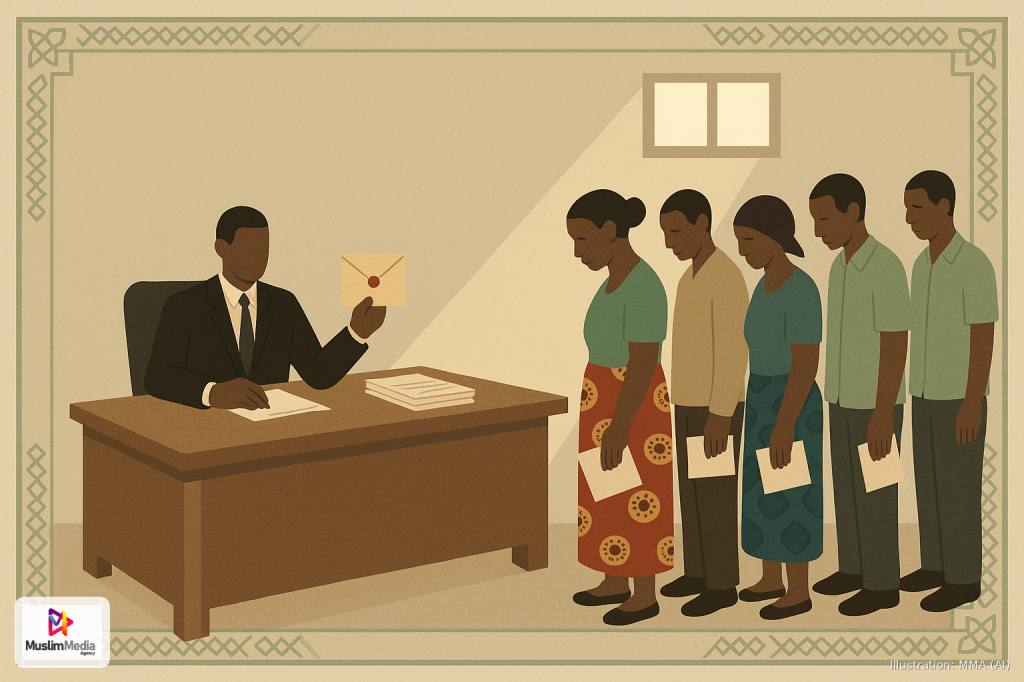
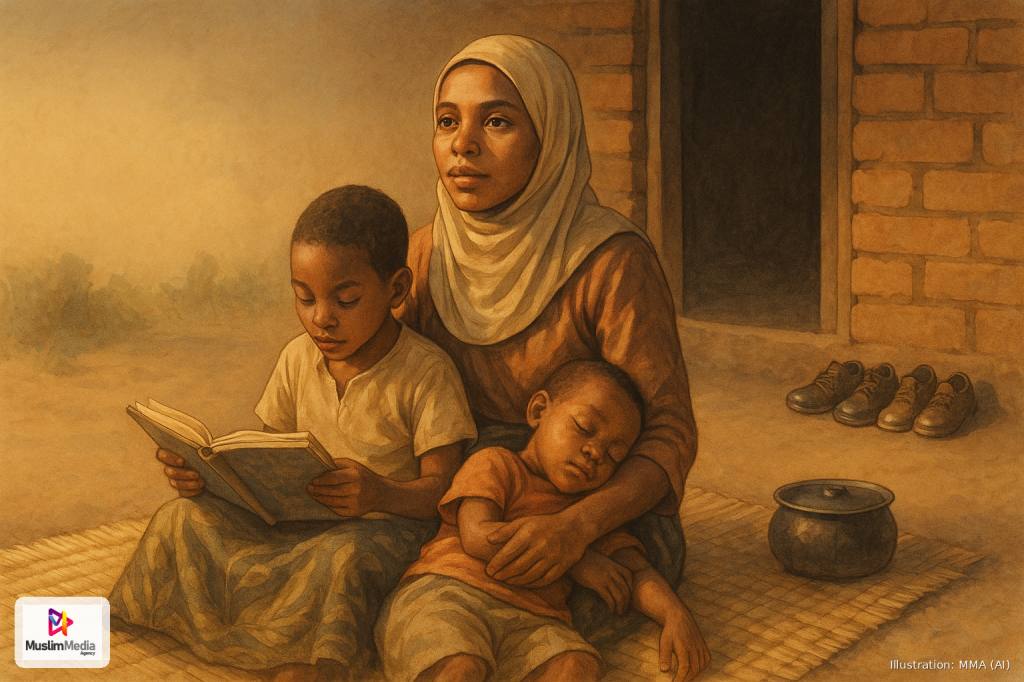
Yet here we are. Many of us know adult children who have drifted so far from their parents that contact is reduced to a phone call on Eid, if that. The parents are elderly. They live in the village or in an old house in town. The child has moved on, built a career, raised their own family. And somewhere in that transition, the parents became background figures. People to be checked on occasionally rather than honoured consistently.
What does Islam say about this person? It says they are at risk of something very serious. The Prophet, peace be upon him, warned us about the one who reaches old age while his parents are still alive and fails to enter Jannah through them. That warning is not metaphorical. It is a description of a genuine missed opportunity, one that cannot be recovered once the parents are gone. The grave does not give us more time.
We should be honest about why this happens. Some adult children feel they were not treated well growing up. Some carry real wounds. Islam does not pretend those wounds do not exist. But Islam also teaches that our duty to our parents is largely unconditional, except where they ask us to commit open sin. Imperfect parents still have rights over us. A father who was harsh, a mother who favoured a sibling, parents who made mistakes, these are not exceptions to the rule. They are exactly the situations the scholars were describing when they said birr al-walidayn, goodness to parents, requires patience and consistency even when it is difficult.
There is also the matter of what we model. Children watch how their parents treat their grandparents. They are paying close attention, even when we think they are not. The adult child who neglects his mother is already teaching his own children how he expects to be treated one day. This is not a threat. It is simply how households pass values down across generations. The amanah of family care either gets passed on or it gets broken, and a broken chain affects everyone.
Practically, birr al-walidayn does not always mean living under the same roof. It means regular contact. It means asking about their health with genuine interest, not as a formality. It means including them in your decisions, visiting when they are unwell, spending money on their comfort without waiting to be asked. It means speaking to them with a lowered voice and a soft tone, because the Quran specifically forbids even saying a word of irritation to them. That single instruction, not even a sharp word, is a measure of how refined our conduct toward them is supposed to be.
The adult child who has drifted from their parents should not wait for a crisis to return. Parents die. They become ill without warning. The moment for mending a relationship can close faster than anyone expects. Whatever distance has grown, whether through neglect, through busyness, through unresolved hurt, now is the time to reduce it. Pick up the phone. Make the visit. Say the words that need saying.
We will all stand before Allah and answer for how we treated the two people He placed between us and His displeasure. May He make it easy for us to honour them while we still can.
Comments
Be the first to comment.