Minister Baloyi calls it a 'crisis': no drugs, 5,000 waiting for surgery at KCH
Health Minister Baloyi has admitted a medicine 'crisis'. KCH has nearly 5,000 patients waiting for surgery. Theft is driving the shortage.
 Nyasa Times
Kamuzu Central Hospital in Lilongwe, which is now managing a surgical backlog of close to 5,000 patients
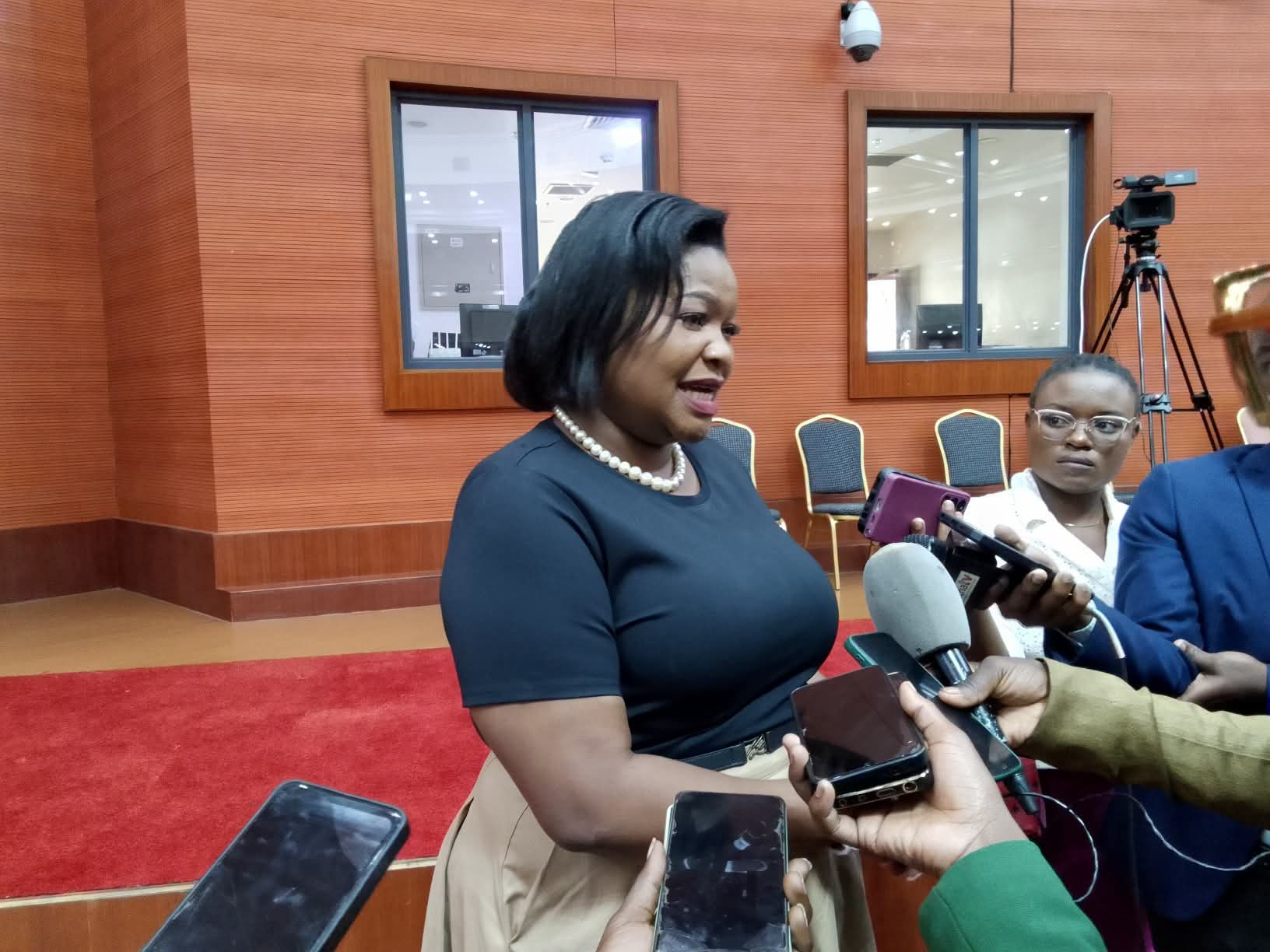
Malawi's Health Minister Madalitso Baloyi used a word this week that government officials rarely reach for: crisis. She told reporters the country has no drugs. On the same day, Kamuzu Central Hospital's director general confirmed a surgical backlog of nearly 5,000 patients. The two facts, arriving together, describe a public health system under serious strain.
"We have to admit. There are no drugs. It is a crisis," Baloyi told reporters. KCH director general Amos Msekandiana told reporters that the situation has gone beyond routine overcrowding. Relatives are now calling him directly, asking whether a family member's position on the waiting list can be moved.
The theft of government medicines is the acknowledged driver. The Ministry's principal secretary Dan Namarika was blunt about it: supply is being lost as fast as it is replenished. "We need to close the leakages so that as we supply on one side, the taps are not leaking on the other," he told reporters. The Central Medical Stores Trust owes international suppliers more than $18 million, roughly K31 billion, and some of those suppliers have stopped delivering altogether pending payment.
Parliament's Health Committee has traced some of those stolen drugs across the border. Committee chairperson Anthony Masamba told reporters that Panadol and amoxicillin stamped "Malawi Government" are being sold openly at Kariakoo Market in Tanzania. He said theft is happening at multiple points in the supply chain, from procurement through to dispensing, and that some pharmacies and medicine-producing companies are colluding in the diversion. The committee has announced it will investigate procurement gaps and recommend changes to the law.
The scale of the shortage is stark. Masamba told reporters that national medicine availability currently sits at 75 percent, which he described as "dire." He added that four years ago, availability at central hospitals including Queen Elizabeth, Kamuzu, Zomba and Mzuzu fell as low as 18 percent, and that patients have reportedly died in some regions because drugs were not available. The Ministry is now working with local banks to secure foreign currency, with a new batch of supplies expected around October 11 to 18.
The amanah placed in public servants to protect medicines meant for the sick is being broken at every level of the chain. The minister has admitted it. The numbers confirm it. What comes next is the harder question.
Comments
Be the first to comment.