The Mahr Is Not a Bride Price and Malawian Muslims Need to Know the Difference
Many Malawian Muslim families treat mahr like lobola. Scholars say the two are not the same, and the confusion is causing real harm.


In many Malawian Muslim families, the mahr paid at a nikah has quietly become something else. Relatives negotiate it like a market price. The groom's family haggles. The bride's family sets a figure based on her education or beauty. What Islamic law describes as a woman's right has been quietly replaced by something that looks far more like a traditional bride price.
Scholars are clear on this. The mahr belongs entirely to the wife. It is not a transaction between families. It is not compensation paid to her parents or her clan. It is a gift from the husband to her alone, given as a sign of commitment and respect. She decides what to do with it. No one else has a claim on it.
Lobola, rooted in Malawian customary traditions, works differently. It flows between families. It can involve livestock, cash or goods given by the groom's people to the bride's. It carries its own cultural meaning and logic. That logic is not the logic of mahr, and mixing the two distorts both.
The confusion matters in practice. When a bride's family pockets the mahr, she has been denied what Islam gave her. When the amount is set not by mutual agreement between the couple but by family pressure and pride, the spirit of the contract is already broken before the nikah is read. Some women never receive their mahr at all, or receive only a token amount after years of marriage. Islamic jurisprudence holds that the mahr is a debt the husband owes, and it does not expire.
There is no fixed minimum beyond what scholars describe as something of real value, even if modest. A large mahr is not more Islamic than a small one agreed upon honestly. What matters is that it reaches the wife, that she consented to the amount, and that it was never treated as a payment to her family for handing her over.
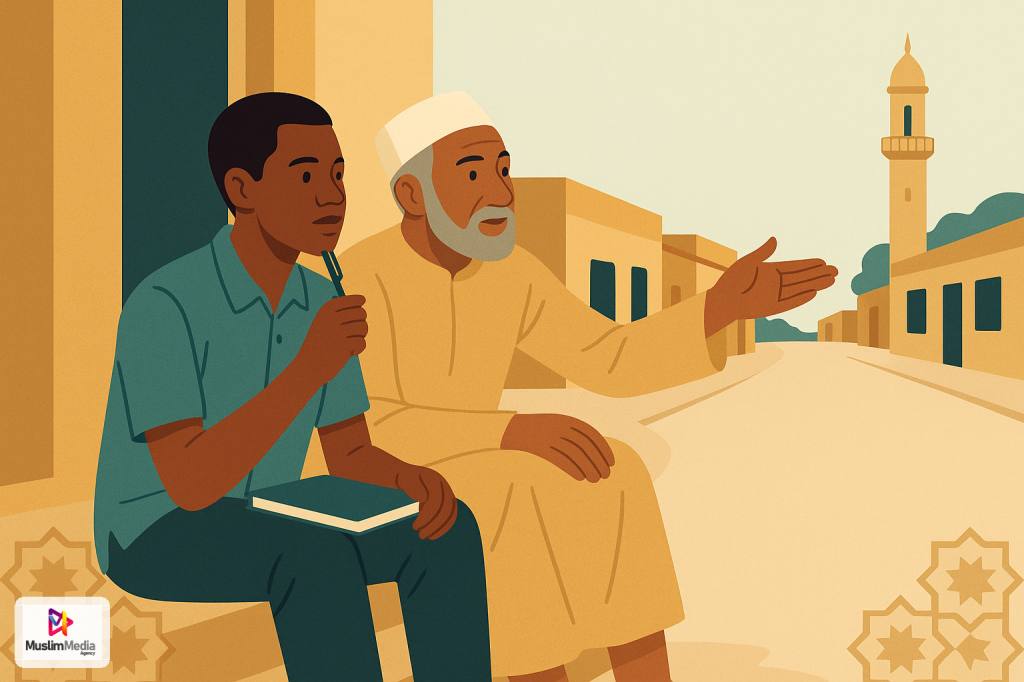
Imams and mosque committees in Malawi have a role here. Pre-nikah counselling that explains the mahr plainly, in Chichewa, in terms families understand, could close this gap. The ummah benefits when women enter marriage knowing their rights, not discovering them too late.
Marshall Dyton
Comments
Be the first to comment.