The Man Who Is Struggling in Silence May Be Your Brother
We check on our sisters, our mothers, our daughters. But the man sitting quietly at the back of the masjid — who is checking on him?
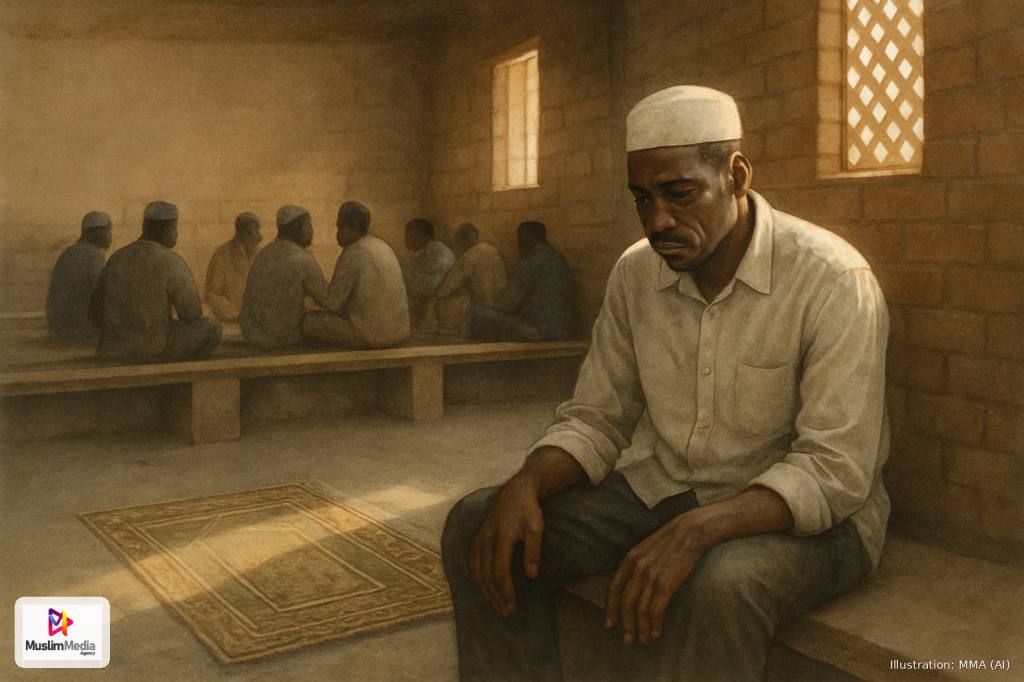
There is a man in your life right now who is not doing well. You may have seen him at Jumu'ah last Friday. He made salam, smiled when you smiled at him, and walked out before you could ask how things were. That was probably the only human exchange he had that day.
We do not talk about this enough in our communities. We speak often about unity, about the strength of the Ummah, about brotherhood in Islam. But brotherhood is not a sentiment. It is an action. And somewhere between our busy lives and our assumptions that men are fine, we have quietly stopped checking on the men around us.
The assumption runs deep. Men are expected to carry weight without complaint. A man who says he is struggling is often met with advice before he is met with empathy. He is told to make more du'a, to be patient, to trust in Allah. All of that is true and good. But a drowning man does not need a lecture on swimming. He needs a hand.
The Prophet, peace be upon him, described the believers as one body. When one part of the body hurts, the rest responds. That is not a metaphor to admire. It is a standard to meet. And if we are honest with ourselves, many of our Muslim men are hurting in ways we are not responding to.
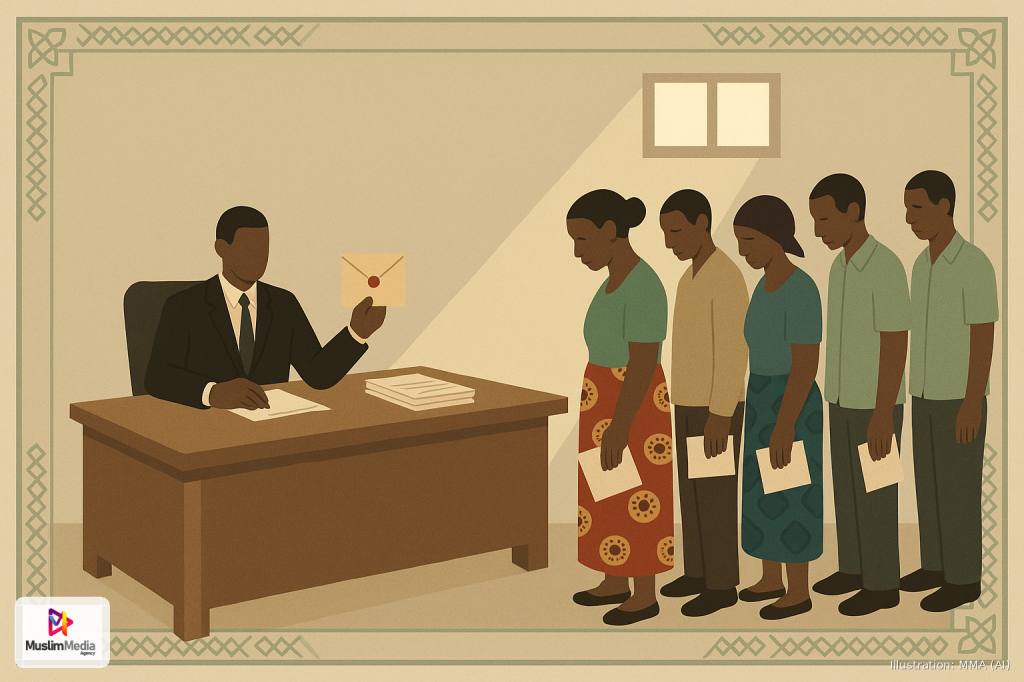
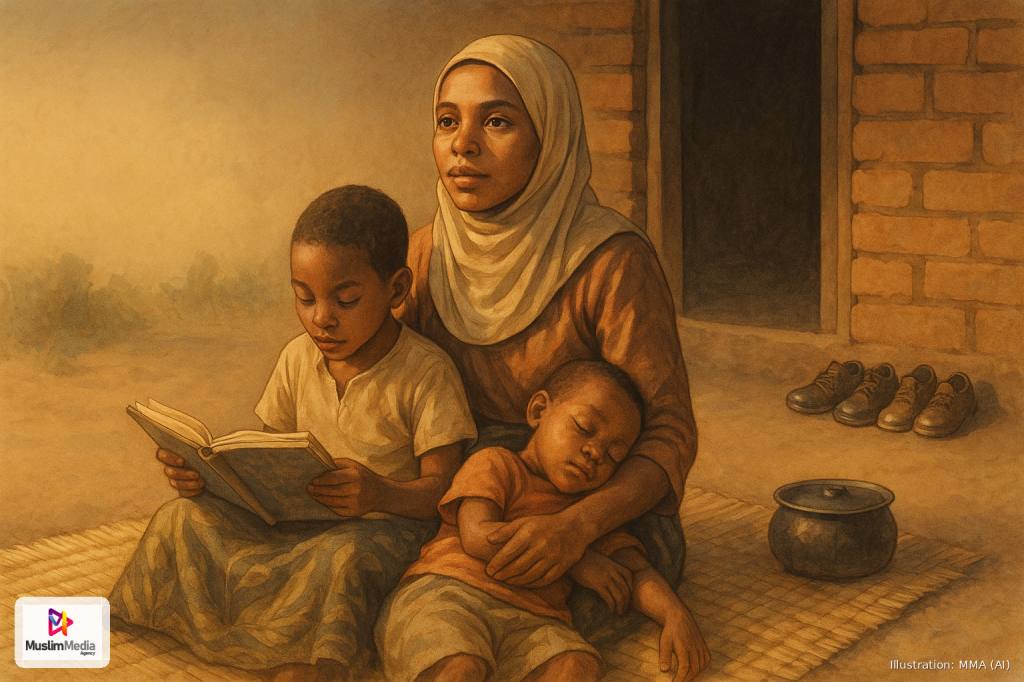
Think about the man who lost his job and has told nobody because he is ashamed. Or the one whose marriage is failing and who sits alone with that weight every night. The young man who moved to this town from the village, knows almost no one, and comes to the masjid hoping someone will stop him on his way out. The older brother who buried a child or a parent and then, because he is a man, was expected to be strong enough not to need comforting.
None of these men will knock on your door. That is not how this tends to work. Men who are struggling rarely announce it. They go quieter. They skip gatherings. They give short answers. They say they are fine when they are clearly not, and they are saying it because they have learned, through years of experience, that saying otherwise brings discomfort to everyone in the room, including themselves.
So the responsibility shifts to us. To those of us who see them. This is where the amanah of brotherhood becomes practical and specific. It is not enough to say we care. We have to ask, and then ask again, and then sit down and actually listen to the answer. Not to fix it. Not to jump to solutions. Just to be present with another person in their difficulty, which is itself a form of mercy.
There is something the men in our community can do right now that costs nothing. After Jumu'ah this week, do not walk straight to your car. Look around. Find the person who is standing slightly apart from the conversation, the one who is moving toward the exit while everyone else is still talking. Go to him. Ask how he is doing. Mean it. If he says fine, say something like, "I have not seen you around much, everything alright?" Give him a second door to walk through if he needs one.
This does not require training or resources. It requires intention and a little courage. Because yes, it takes a kind of courage to reach toward another man in a culture that has decided men should not need reaching toward. You may feel awkward. Do it anyway.
For those of us who are the ones struggling, there is something to say to you directly. Asking for help is not weakness. Islam does not ask us to be walls. It asks us to be truthful with ourselves and with the people around us. You are not betraying your dignity by telling a trusted brother that you are not okay. You may actually be fulfilling a sunnah, because you are giving him the opportunity to fulfill his obligation to you.
Our communities are full of good people who genuinely want to help but who are waiting for a signal. Give the signal. Let someone carry part of this with you.
The man at the back of the masjid, the quiet one, the one who smiles and disappears, he may be your actual brother, your neighbour, your colleague, the man who sat next to you for years in prayer. He is part of that one body the Prophet described. If he is hurting and we do not notice, or we notice and do not act, that is a question each of us will have to answer for ourselves.
Do not wait for a crisis before you treat the people around you like they matter. They matter now, in the ordinary Friday afternoon, before anything dramatic has happened. That is exactly when it counts.
Comments
Be the first to comment.