One year on, Malawians still waiting for the DPP's promises to arrive
Roads still broken. Drugs still missing. The ACB still leaderless. A year after the DPP's return, Malawi's press is keeping score.
 Nyasa Times
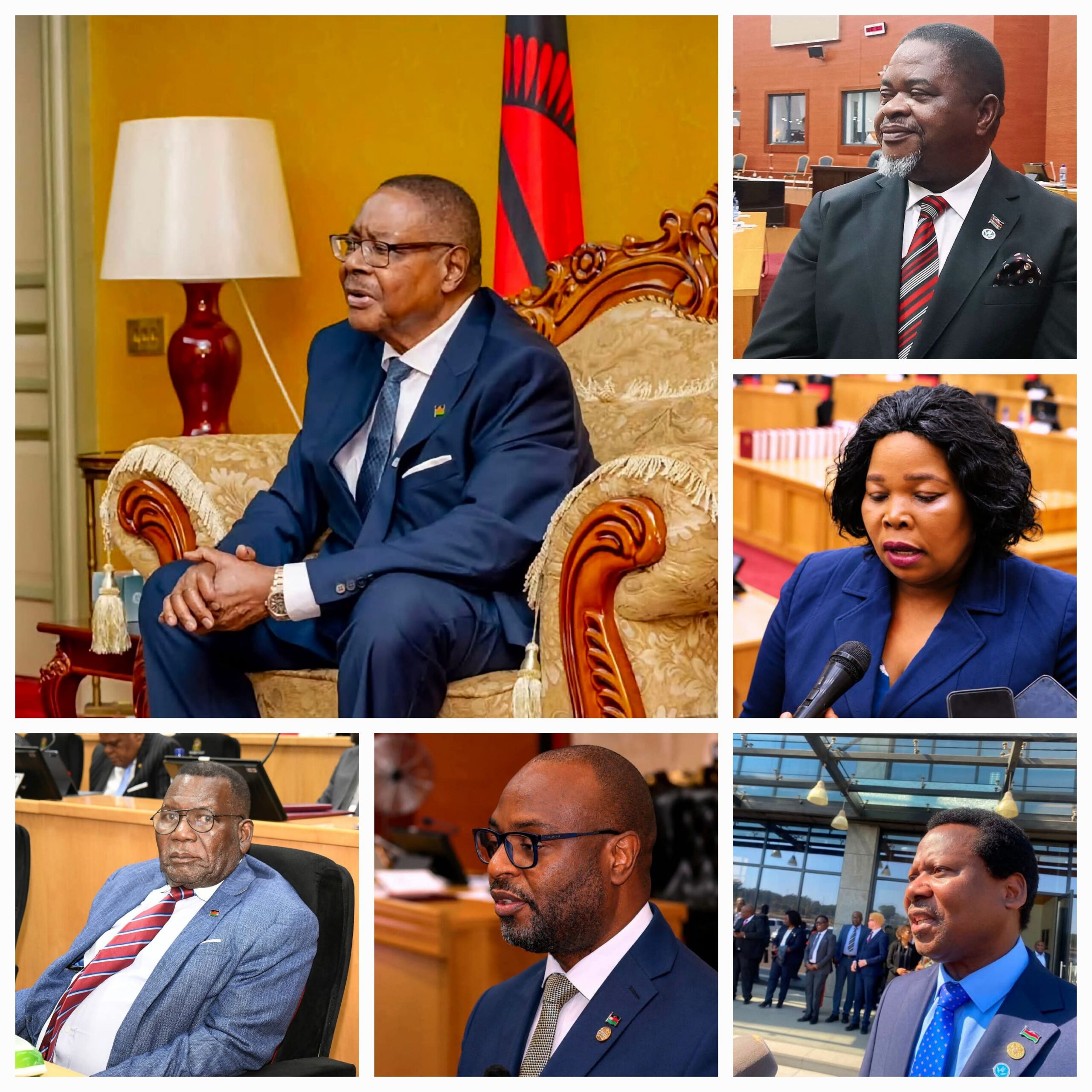
President Peter Mutharika at a public function during his first year back in office
One year ago today, President Peter Mutharika was sworn back into State House after the DPP's September 2025 election victory. Malawians gave him that mandate on a clear set of expectations: fix the roads, sort the fuel, stock the hospitals, and fight corruption for real. Twelve months later, two of the country's biggest newspapers say the scorecard is uncomfortable reading.
Malawi News this week published what it called a checklist of unmet promises, arguing that the trust voters extended to the DPP at the ballot box now amounts to what it described as "a vote of faith" the government has yet to fully justify. The paper named the outstanding items plainly: roads repaired, fuel supply reliable, the Anti-Corruption Bureau with teeth, and drugs on hospital shelves. Nation Online ran its own verdict the same day, under the headline "The one-year itch," saying the country had handed the government an anniversary present of "the same old problems, only wearing a new calendar."
The details in both papers are hard to argue with. Fuel queues are back. Foreign exchange remains scarce. Public hospitals are still struggling to keep essential medicines in stock. Nation Online noted that transport operators are waiting for diesel, businesses are paying more to move goods, and consumers are absorbing the bill. A black market in fuel has quietly filled the gap, with diesel selling well above the official pump price.
On corruption, the picture is particularly difficult for the government to defend. The ACB has no substantive director-general in post and has itself complained of inadequate funding for investigations. The K128 billion Amaryllis Hotel transaction remains under both ACB and parliamentary scrutiny, with no resolution in sight. Speaker Sameer Suleman has meanwhile announced 12 separate parliamentary investigations covering fuel, electricity, pensions, mining, passports, prisons and fertiliser distribution.
Nation Publications Limited's own independent audit, published this week, gave the administration a composite score of 62.2 percent and placed it in a "Satisfactory" category. Governance expert Undule Mwakasungula commended action on the Amaryllis matter but described the Cabinet as "a mixed bag." Political scientist Gift Sambo, scoring the government lower, said it had yet to demonstrate commitment to good governance and that corruption and maladministration remained rampant.
Both papers do acknowledge pockets of genuine progress. Food availability has improved, partly because of maize imports and a better agricultural season. The DPP also points to free secondary education as a tangible delivery. But both editorials say these gains do not close the gap between what was promised and what has been done.
For Muslim communities in Mangochi, Balaka and Lilongwe North, the unfulfilled promises are the same as everywhere else: a hospital with drugs on the shelves, a road that does not destroy a car's suspension, fuel available at a legal pump price. The amanah placed in this government belongs to all Malawians equally, and the newspapers' accounting this week reflects what ordinary people have been saying at the market and the mosque alike.
Malawi News stopped short of calling the government a failure, acknowledging that one year may not be enough time to resolve every inherited challenge. But it was firm that one year is more than enough time to show a clear direction. "Time is of the essence for the administration to make good of people's belief," the editorial concluded.
The DPP has not yet issued a detailed public response to either assessment.
Comments
Be the first to comment.